Peering through the screen of an animal shelter, Hudson, New York. June 7, 2011.
Is this the same cat I saw there 2 summers ago?
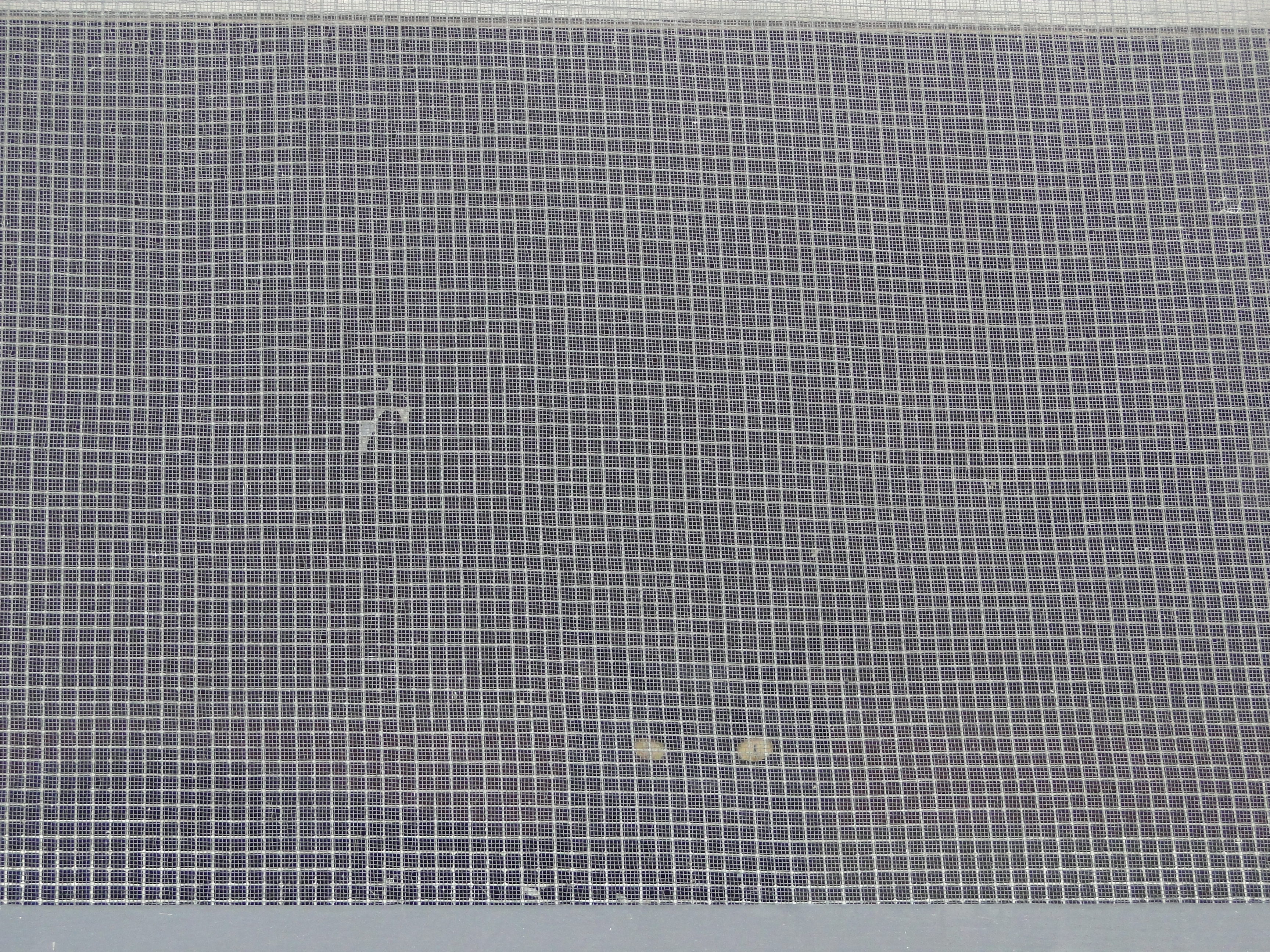
Peering through the screen of an animal shelter, Hudson, New York. June 7, 2011.
Is this the same cat I saw there 2 summers ago?
Posted in animals, cats, musings | Tags: cat's eyes, homeless cat, Hudson NY, shelter cat
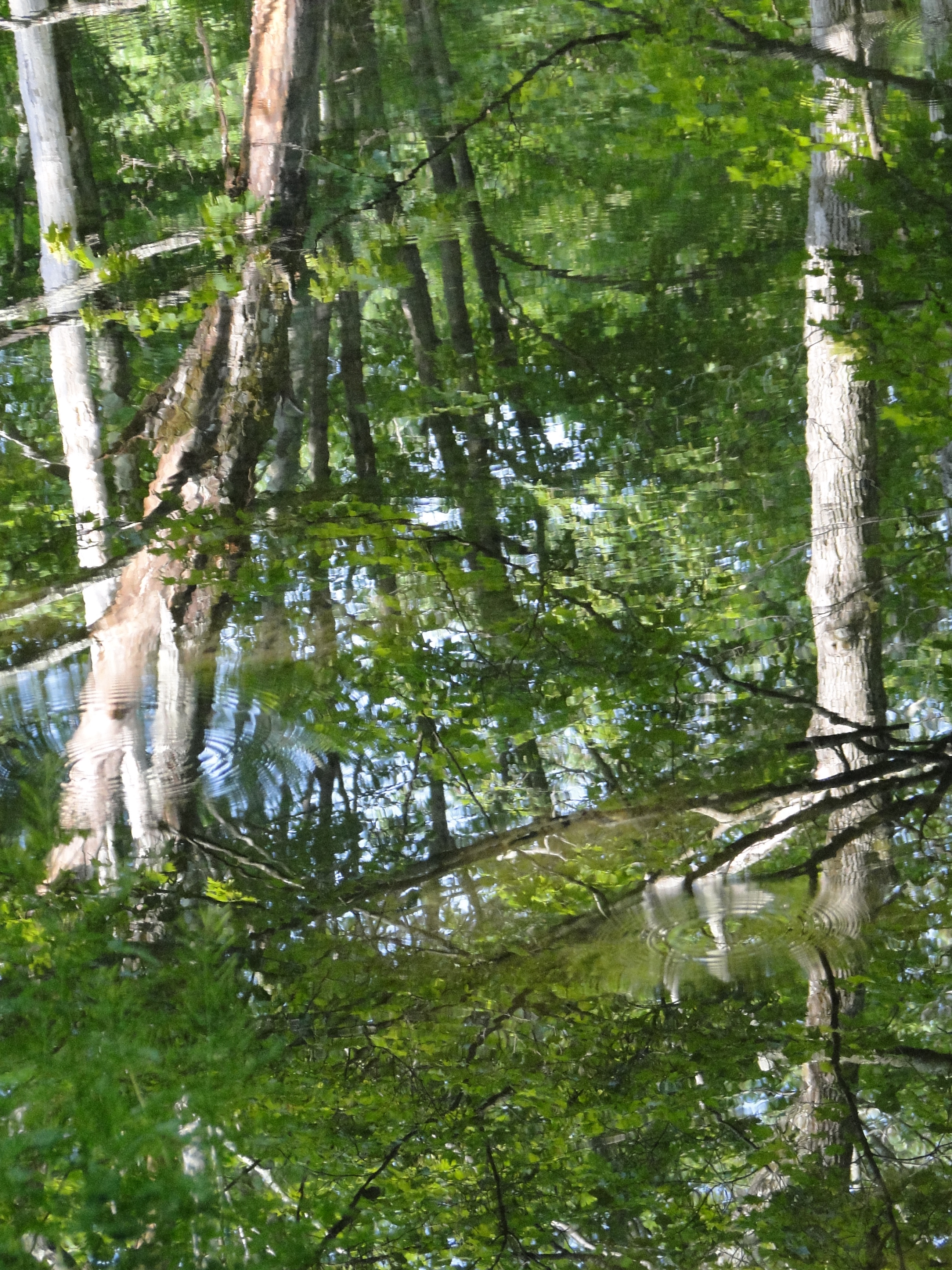
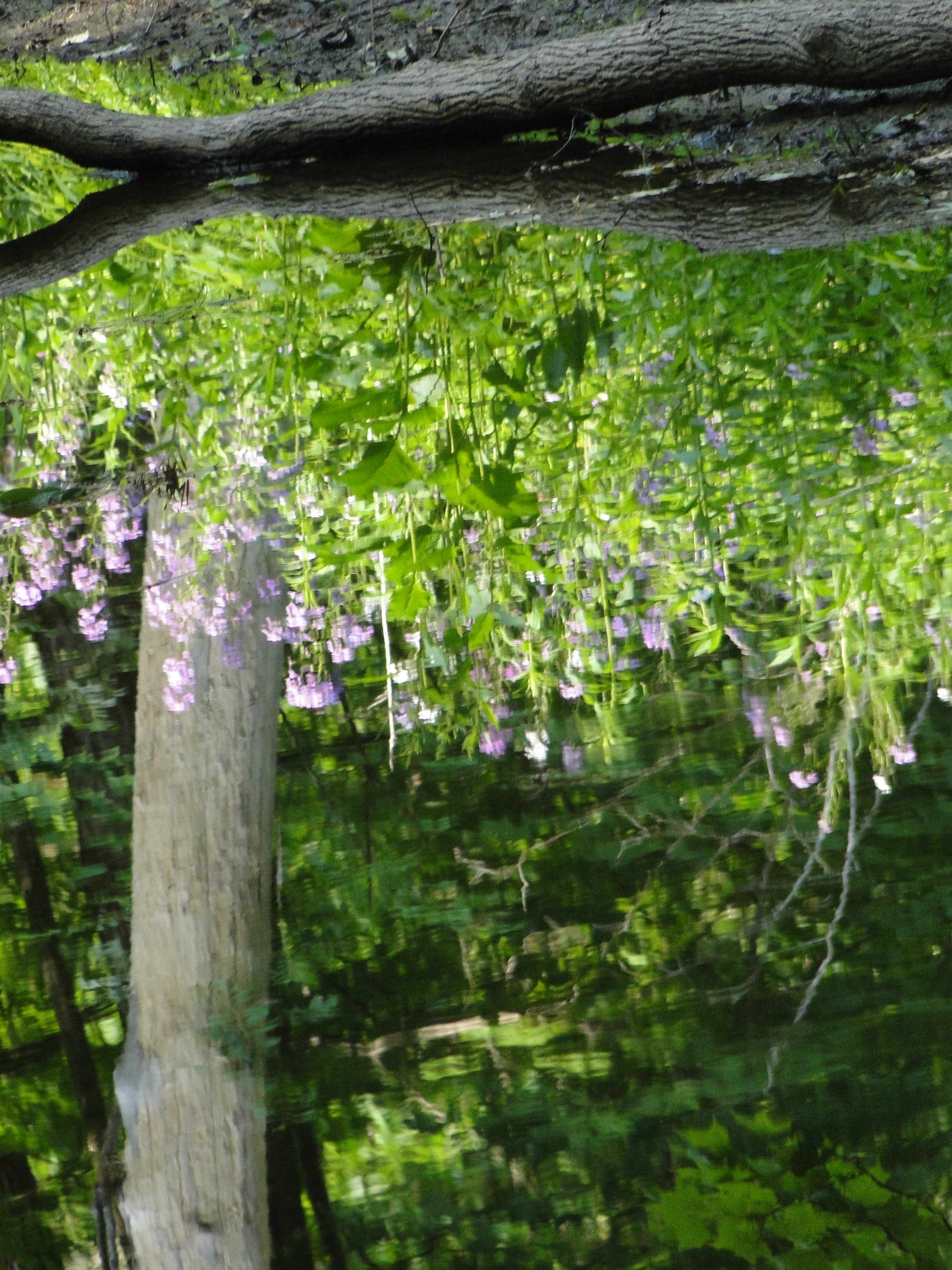
Captured a few steps off Route 71 in Alford, MA on June 8, about 9 a.m.

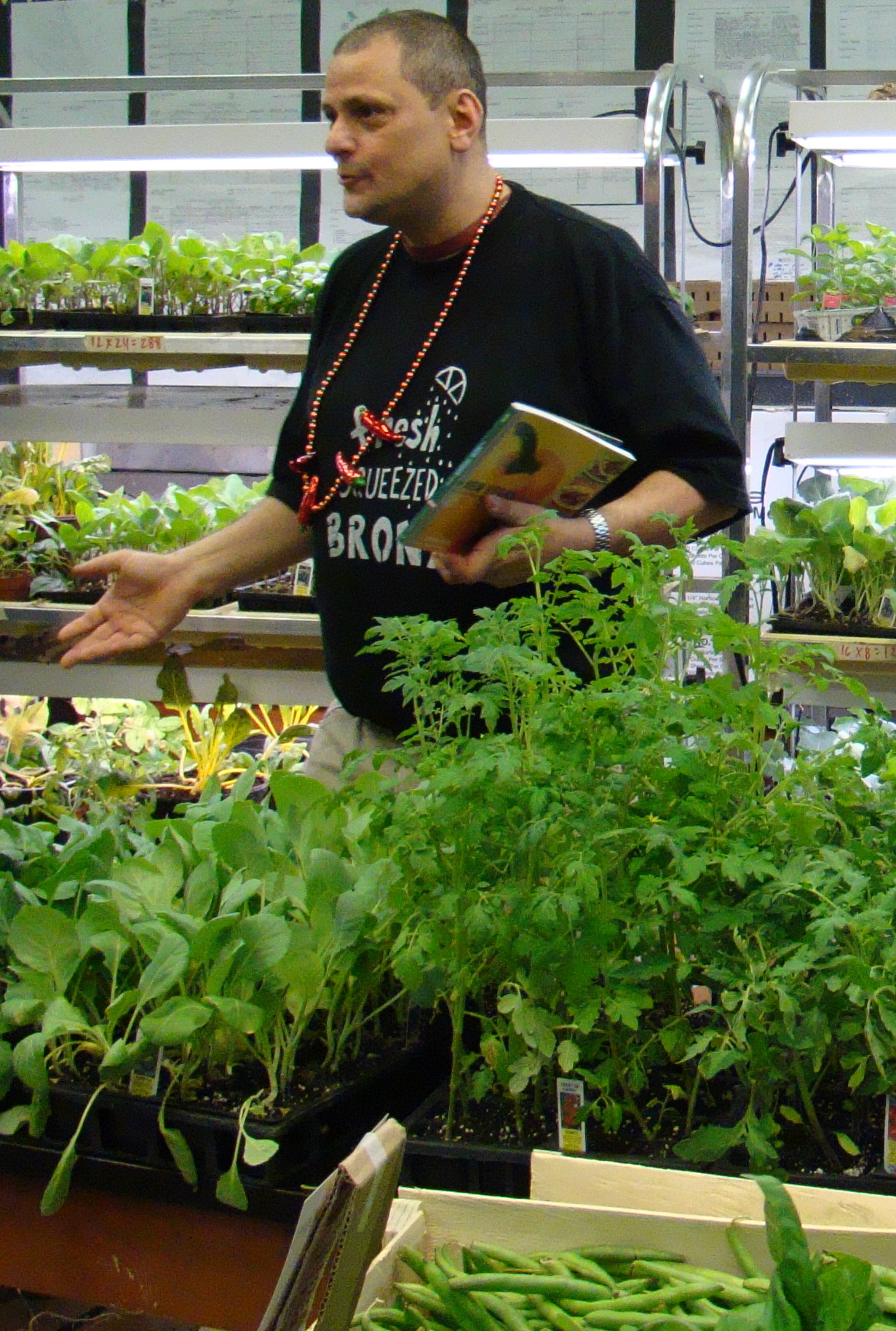 Or is it the Pied Piper of Peas?
Whatever you call him, Steve Ritz is an extraordinary example of how one person can make a difference.
Steve has two missions: The first is to get his Discovery High School students to grow and eat vegetables. The second is to ignite the Green Bronx Machine and get all of the borough residents to grow and eat healthy food. (Watch out for the website and meanwhile follow Green Bronx Machine on Facebook and Twitter.)
Ritz is fueled by the irony that although the Bronx is the distribution point for produce to all five boroughs, its residents have very little access to high quality, fresh vegetables.
“If my kids can’t buy good produce at the local supermarket, we’ll get them to grow it,” Steve Ritz decides. And grow they do! Hundreds of pounds of it a year. Where? On the classroom walls.
 Given a boost by the largesse of Boston-based Green Living Technologies, the students began growing vegetables on vertical shelves packed with earth. I saw the result last Friday when I attended a farmer’s market at the school.
Students, teachers, parents, and neighbors of the school were all shopping: bins were loaded with collards, peas, potatoes, tomatoes, scallions, and onions–and everyone was filling up their bags and heading to the front of the classroom to pay.
Have you ever seen a chalk board in front of a classroom listing vegetables and their prices? The sight gave me goosebumps. Can you imagine holding a weekly farmer’s market in classrooms all over the country?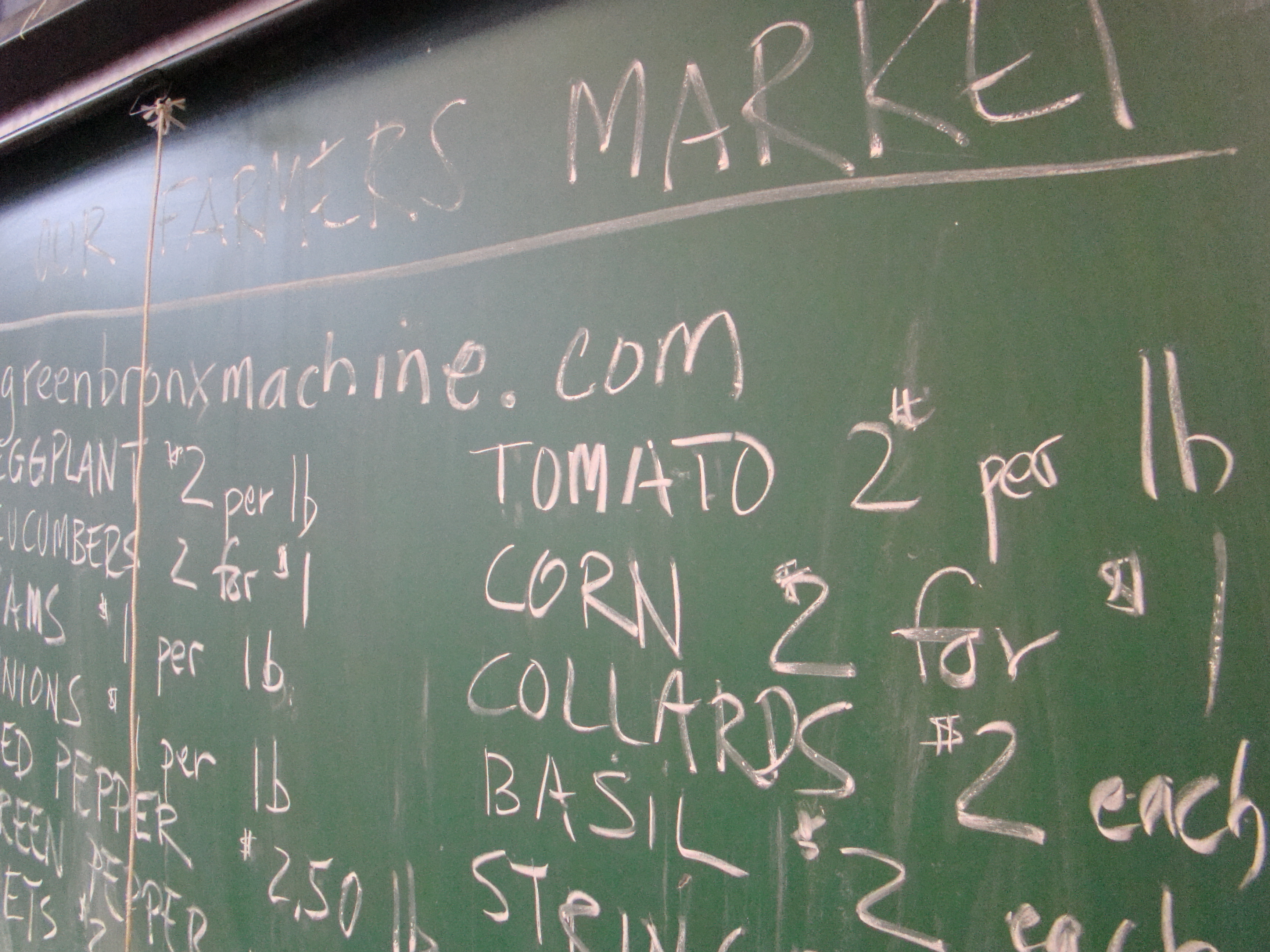
The Discovery High School farmer’s market was a fantastic success. Here’s an e-mail I got from Steve Ritz a few days after the event: “We were very profitable, had over 500 visitors and folks from across NYC and NJ including State Senator Rivera and several other elected officials! Had we been able to have an EBT machine – we would have sold even more – a rallying cry for many in the food justice / food equity circles including Daniel Bowman Simon.
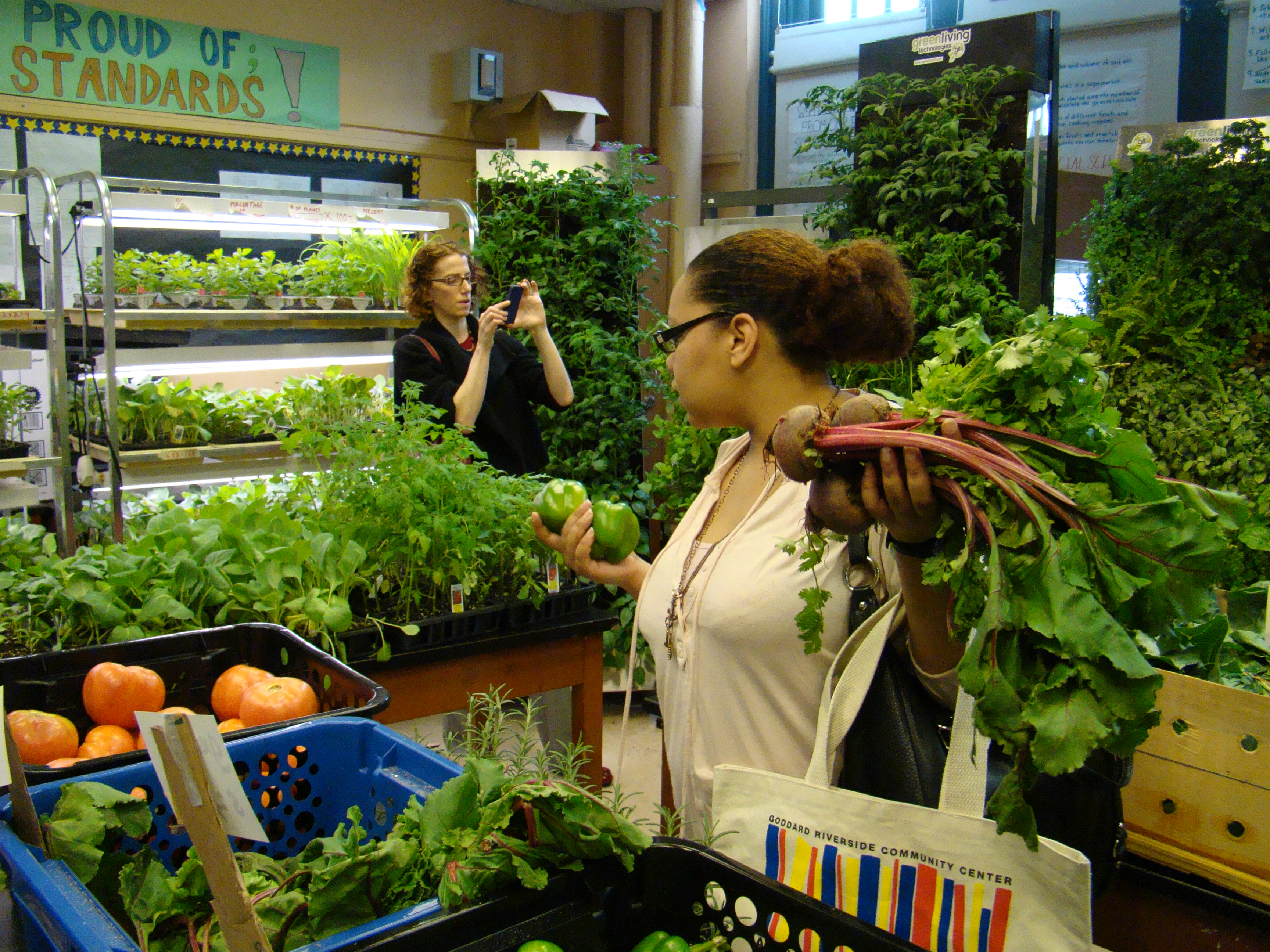
All the kids went home with bags of produce and after school we went to a local soup kitchen to donate the rest. All the edible plants and seedlings also went to local high-need communities and gardens and the Green Bronx Machine helped plant thru the weekend.
…Watch the ABC TV Special on June 18, 7 PM – Above and Beyond – which features our program and of course, I hope you can join us in Manhattan on June 22; 6-9 PM at Cafe Iguana for the formal launch of Green Bronx Machine.”
Big Green Bronx Hugs,
Steve
In case you aren’t already convinced that there’s a Pied Piper in the Bronx, here’s Steve telling us about his passion for greening the Bronx and providing math skills, community, and career alternatives for Bronx youths at the same time:
Now listen to one of Steve’s students, Netali Soriano, telling us how much he loves growing vegetables and how tomatoes and avocados have become a personal favorites. Take note of his Green Bronx Machine T-shirt!
Posted in edible gardening, green planet, indoor gardening, new york city, sustainable gardening, the boroughs | Tags: Bronx, Cafe Iguana, Daniel Bowman Simon, Discovery High School, eat fresh vegetables, eat more vegetables, food equity, food justice, Green Bronx Machine, Green Living Technologies, growing herbs on walls, growing vegetable on walls, high school student "farmers", new york city, State Senator Rivera, steve ritz, urban farmers
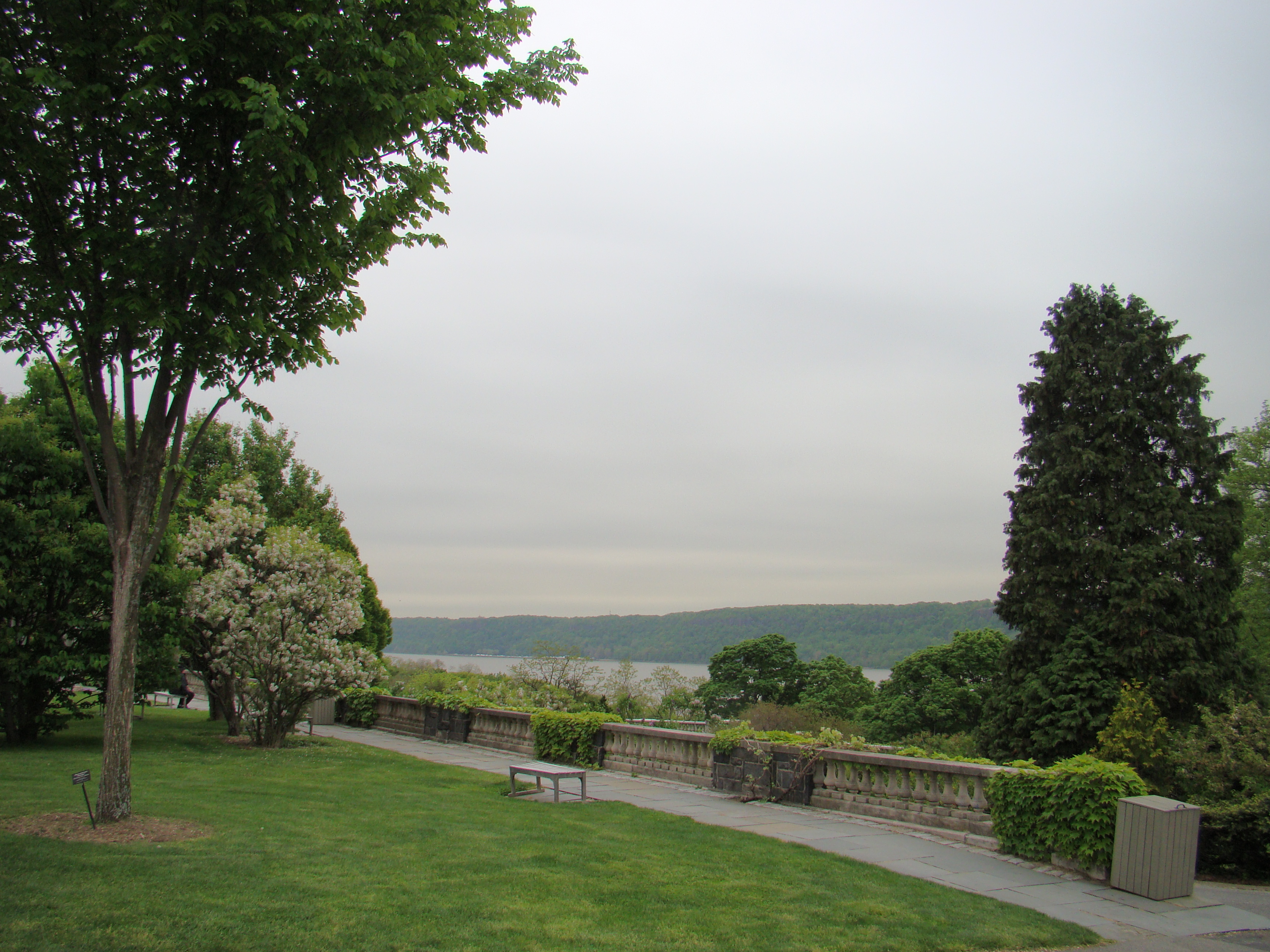 I try to get to Wave Hill as often as I can.
This gracious garden never fails to revive my spirit. Although only 10 miles or so north of my home on the Upper West Side, Wave Hill feels like another world.
The vistas are large and there’s nothing like the mighty Hudson River in the background to offer the visitor a feeling of unlimited possibility.
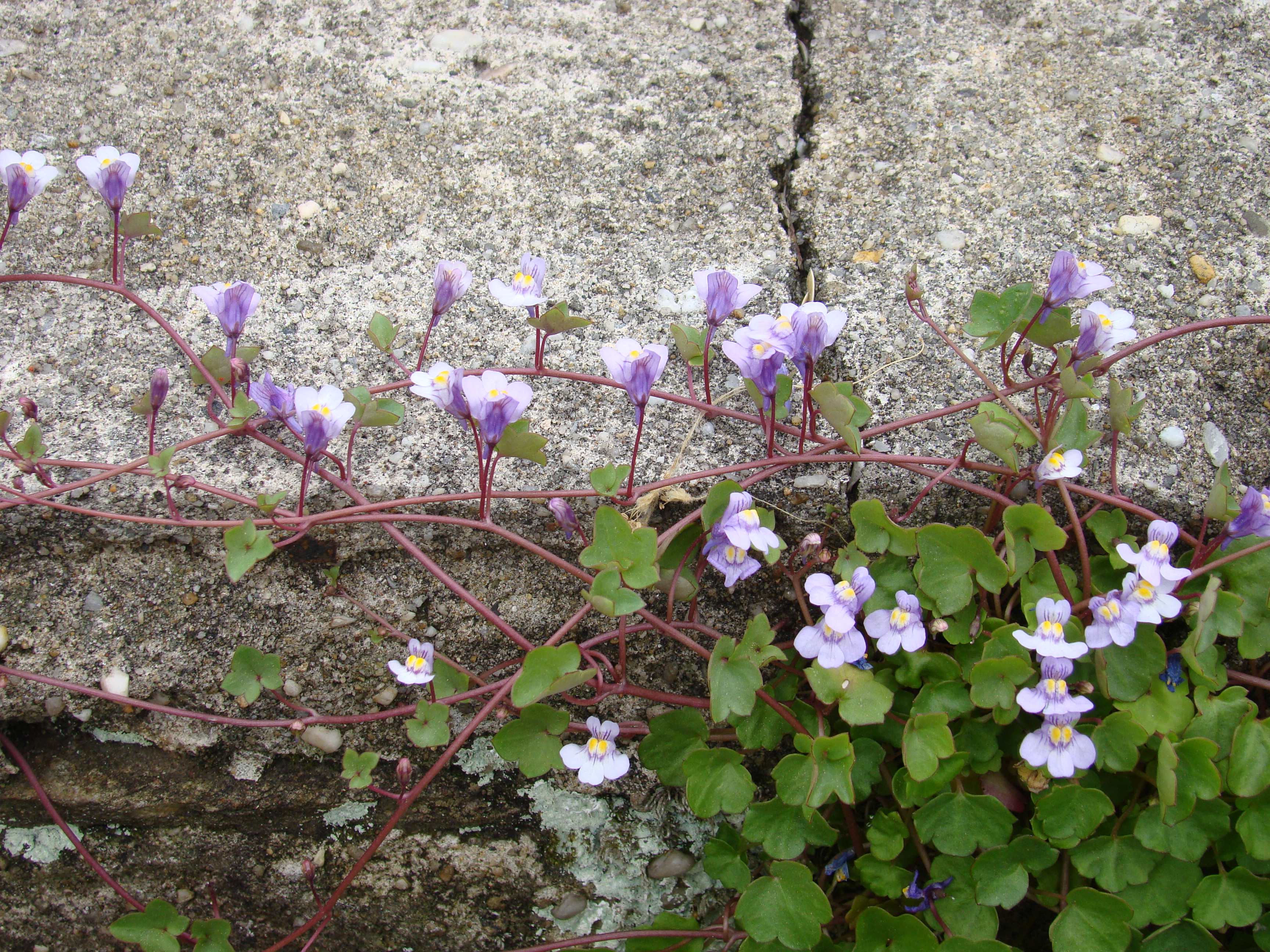
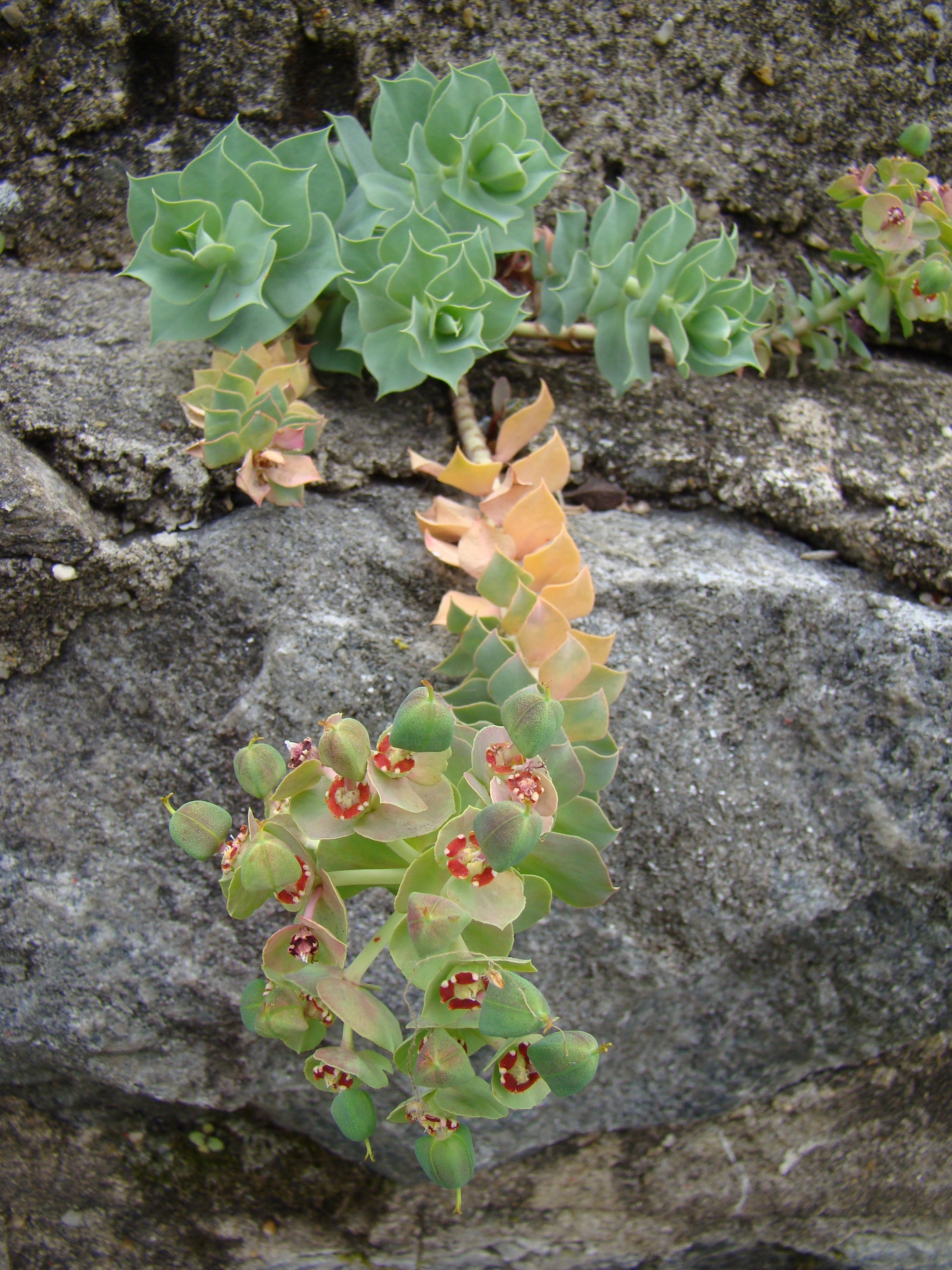
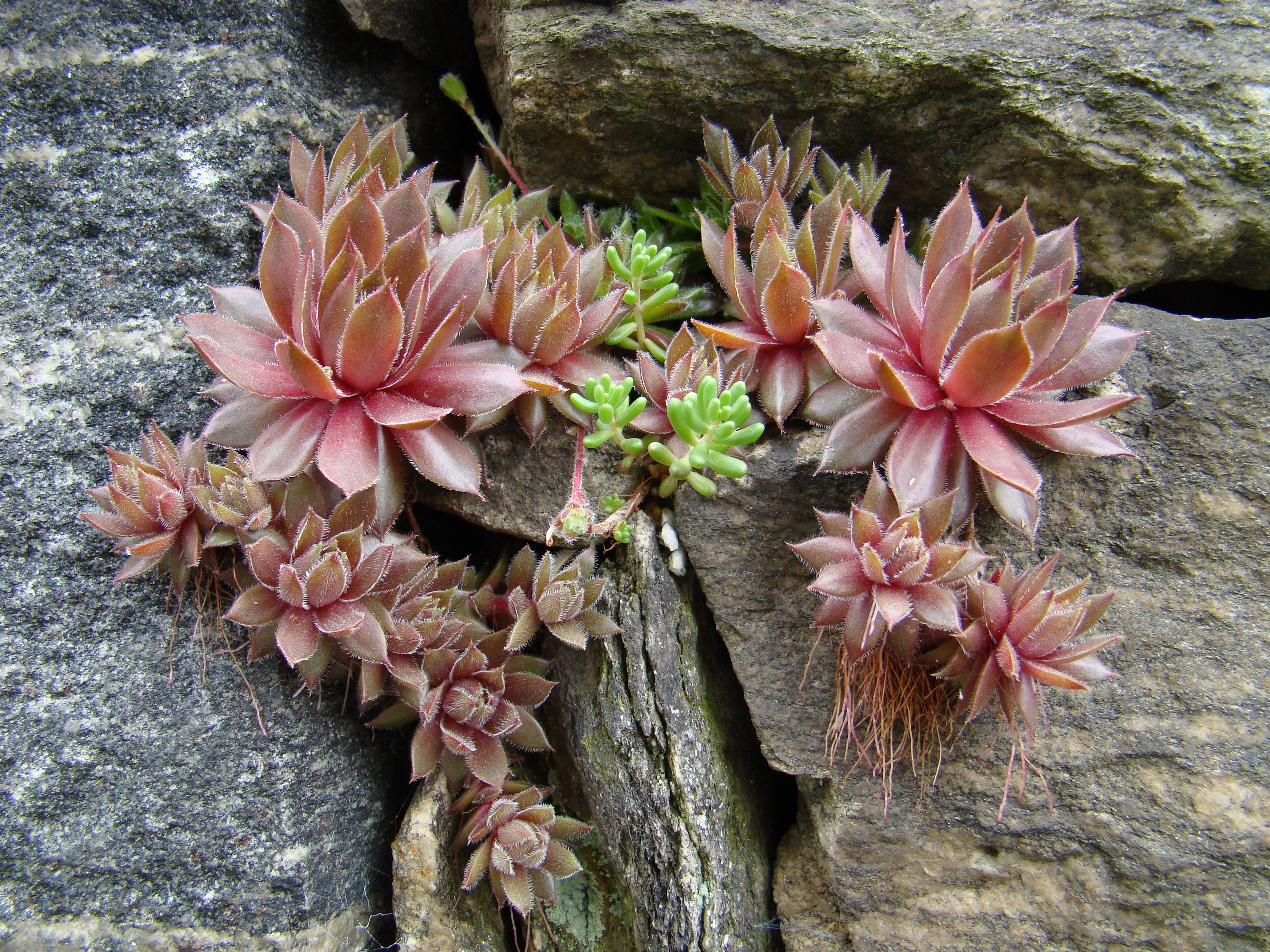
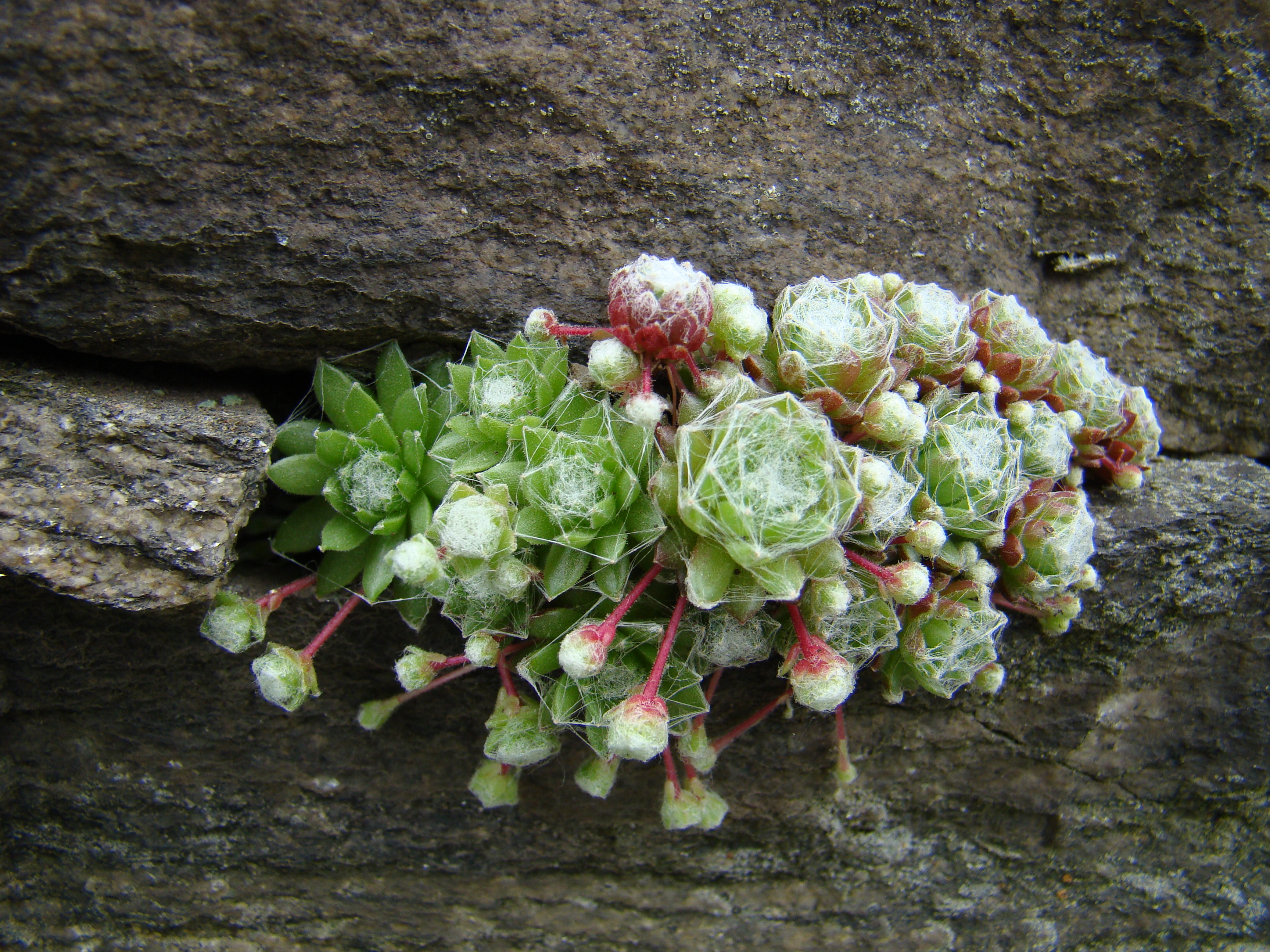
Within this expansive garden are smaller “rooms.” The ones that caught my eye today were the herb and alpine gardens, most particularly the plants growing out of their enclosing stone walls.
What survivors! How do they manage to thrive with so few resources? What an inspiration for a way of living.
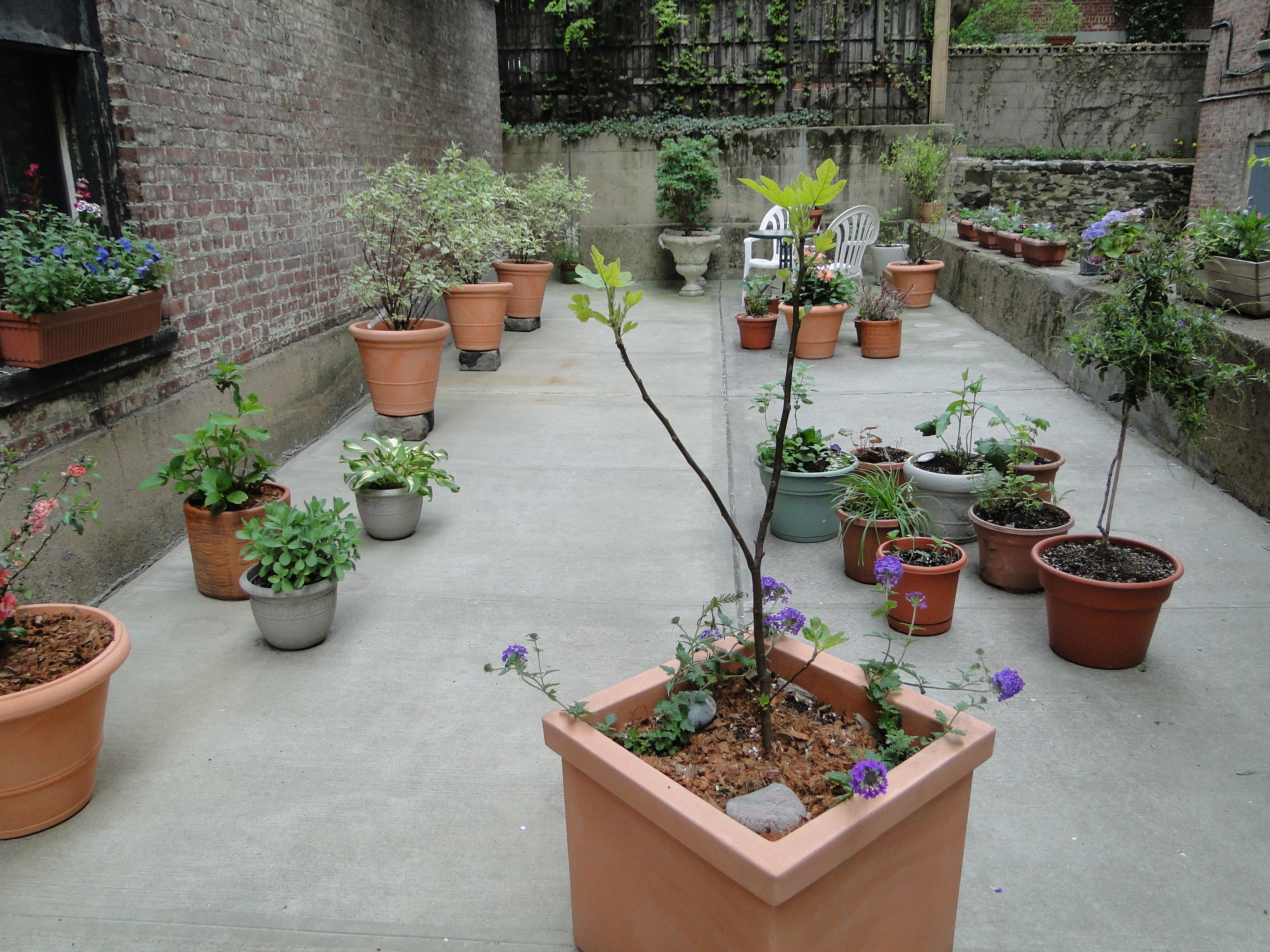 Last spring, when I got the chance to create a garden on the cement behind my co-op on Manhattan’s Upper West Side, I jumped at the chance. I had become passionately interested in gardening and was tired of being a voyeur of other people’s greenery and creative designs.
The initial budget was small: $1,000. So I started collecting planters at yard sales and plants that people threw away. I found garden furniture on the street–it’s astounding what people throw away on West 83rd Street.
The first few months were challenging, especially since we had no hose to water the increasingly growing collection of flowering plants. Nevertheless, I and the long-suffering sweetie endured; poor man had enough of gardens from his years in suburbia, but indulged me by waiting patiently in garden centers as I oohed and aahed over the selection. Then he got to carry all the plant pots from the car into the garden.
And yes, that’s a fig tree in the foreground.
Now in its second year, the garden has given me much joy. What a thrill to see the perennials re-emerge from seeming death to become elegant plants, hardier than the year before.
I eat most of my meals out there, carrying my plate through the laundry room to enter the garden through a longish alley. I hear bird song and the hum of air conditioners coming together in their own particularly urban polyphony.
It surprises me that so few people in my building take an interest in the garden. I observe some folks sitting in the laundry room watching their clothes spin when instead they could be admiring the dahlias.
But I’m also pleased that so few people sit in the garden; I can be found there often and alone, usually in a gardener’s reverie, watching the leaves unfurl and hovering over every little bud as if this garden were my very own.
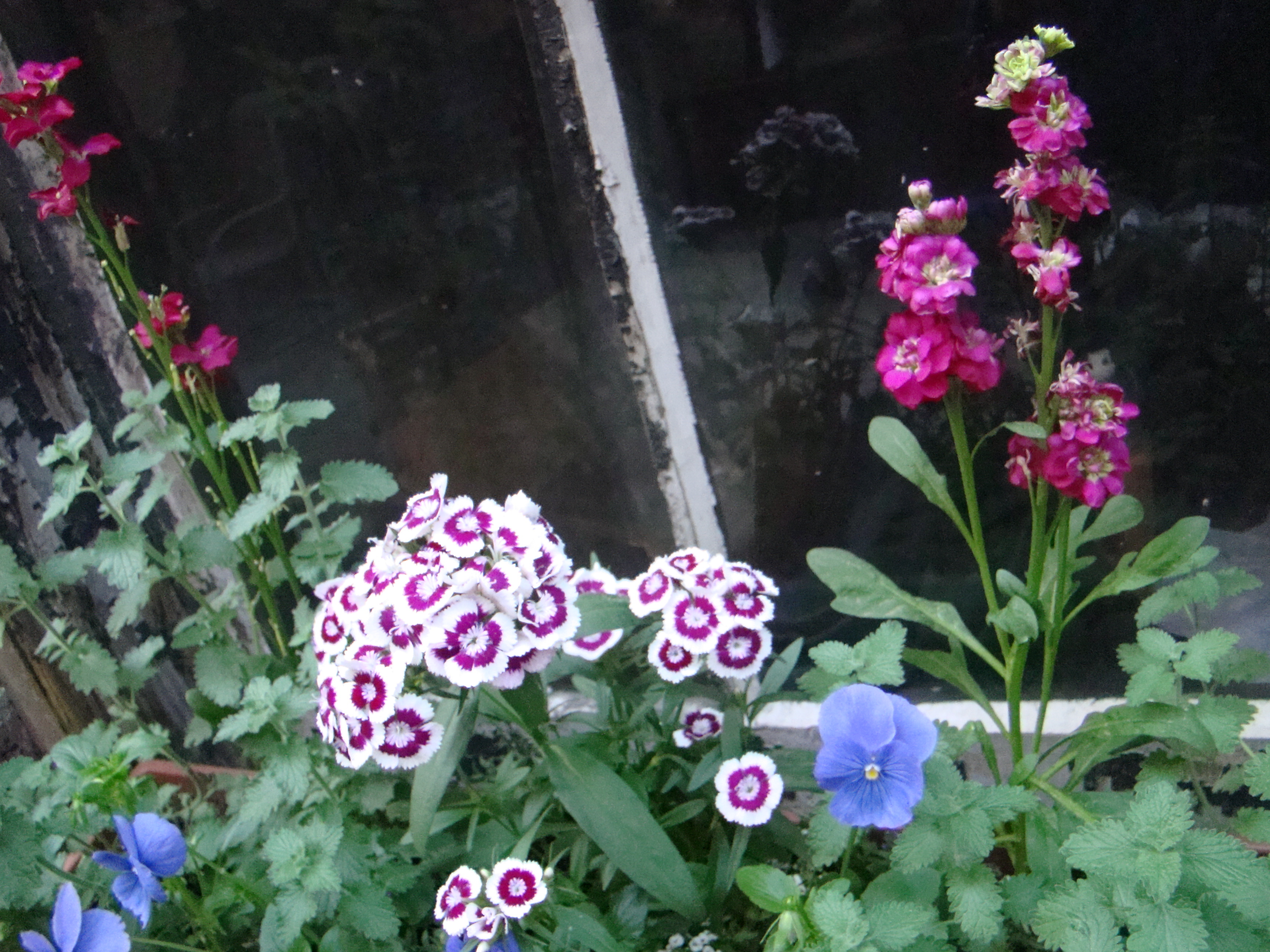
The window of this window box looks into the elevator shaft.
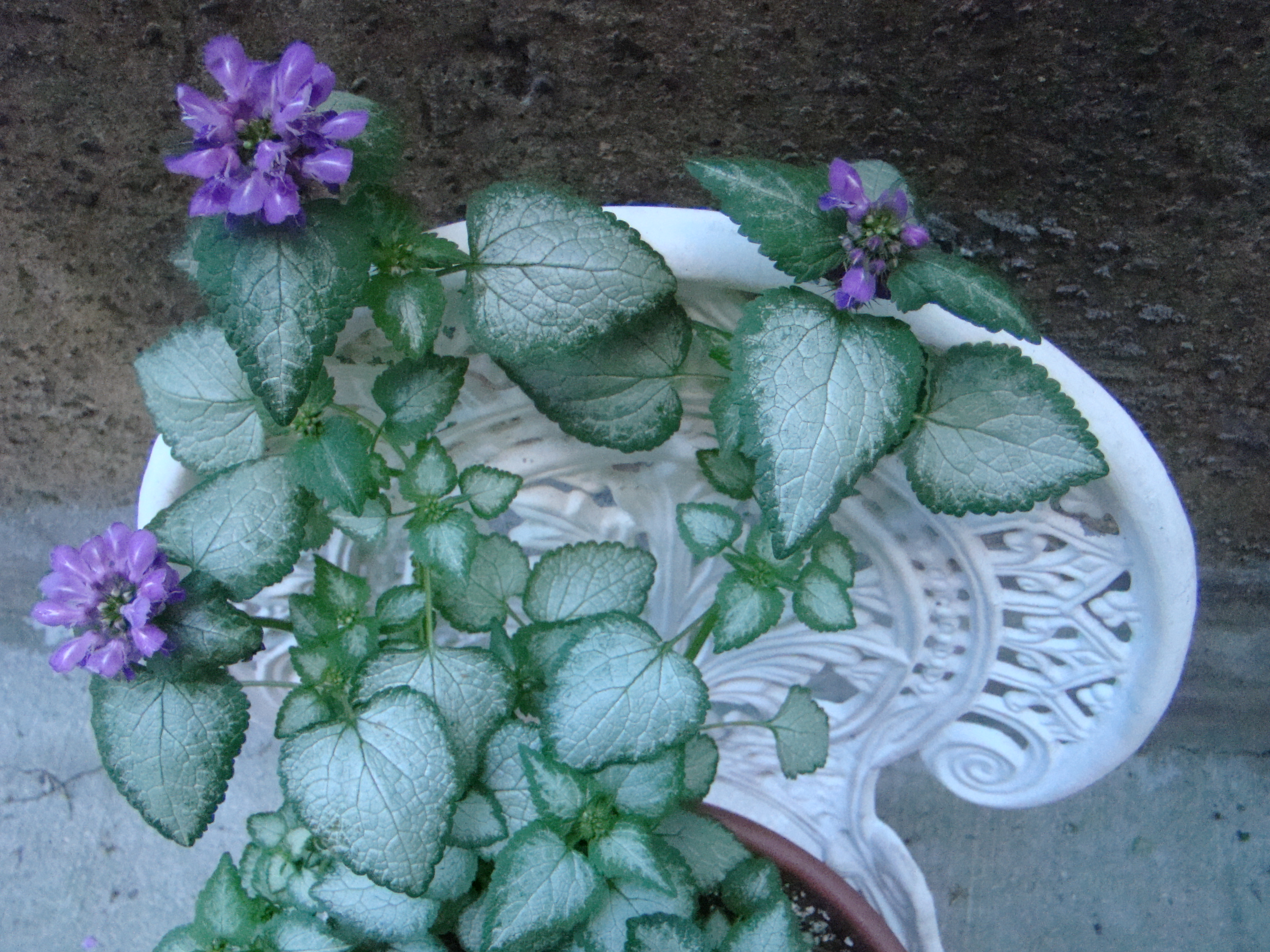
Dead nettle, a rewarding shade plant, in a planter on a street-find chair.
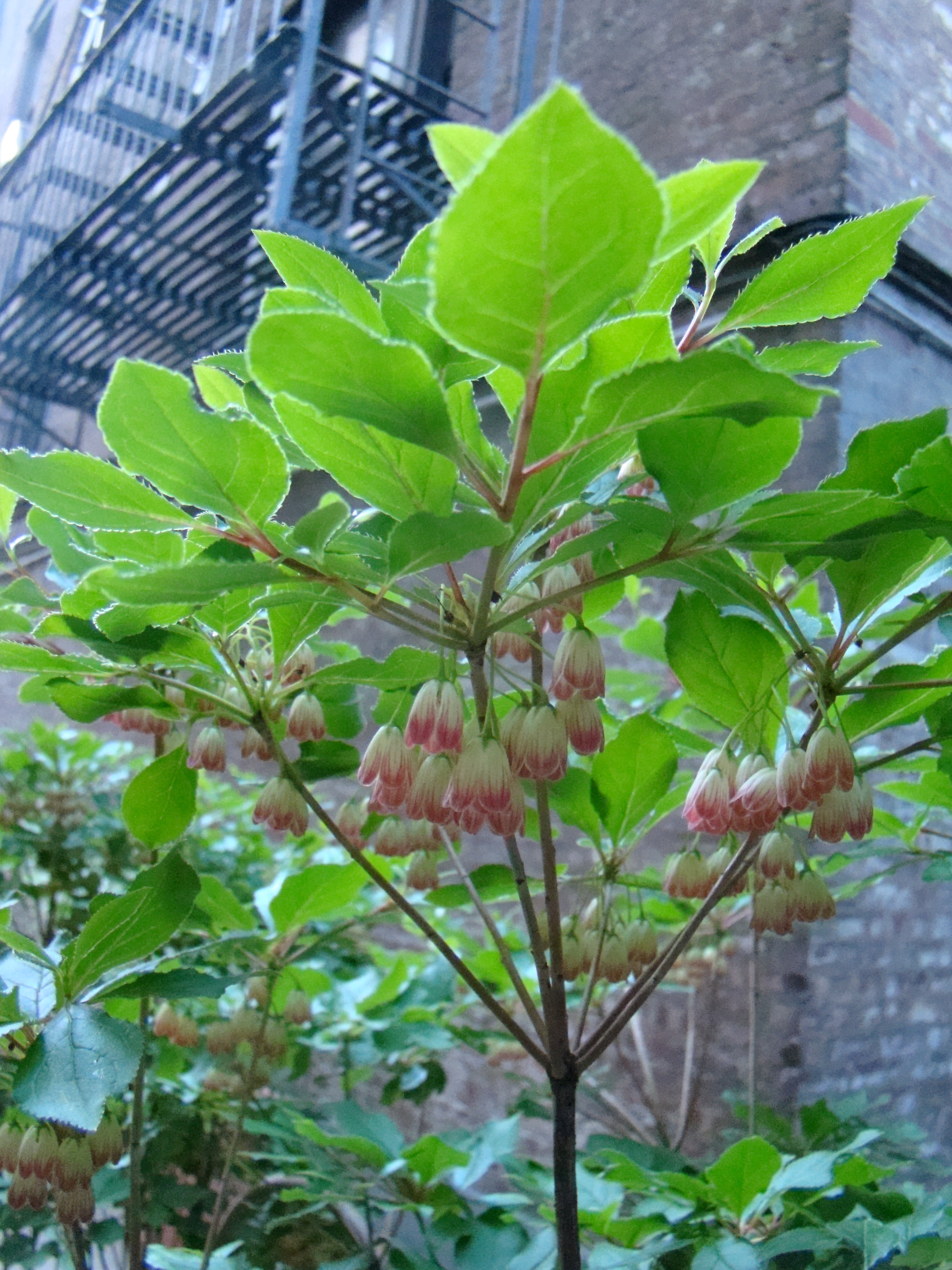
Enkanthius and its charming bell-shaped flowers is untroubled by the fire escape towering above.

Dahlias strutting their stuff like Upper West Side yuppies.
 The Bronx! Yes, I felt as if I’d been in the country after taking a guided wildflower walk near Orchard Beach in Pelham Bay Park yesterday. Check out Wildflower Week in NYC for other wonderful activities about native flora being offered for free all this week- and learn why re-introducing and growing native plants makes all kinds of ecological sense.
I wish I could share all of my wildflower pictures with you, but sadly I forgot my beloved SONY Cybershot DSC 20 on a park bench in Union Square this afternoon–before I’d had a chance to download them into my computer. (Now I find that this camera is no longer being made…If you know of anyone who wants to sell this model, please send them my way!)
Above, in the meanwhile, is a lovely picture of Dutchman’s breeches (Dicentra cucullaria) from the Wildflower Week website, where you can see dozens photos of NYC native plants. They are quite an impressive lot!
What is real? What is illusion?


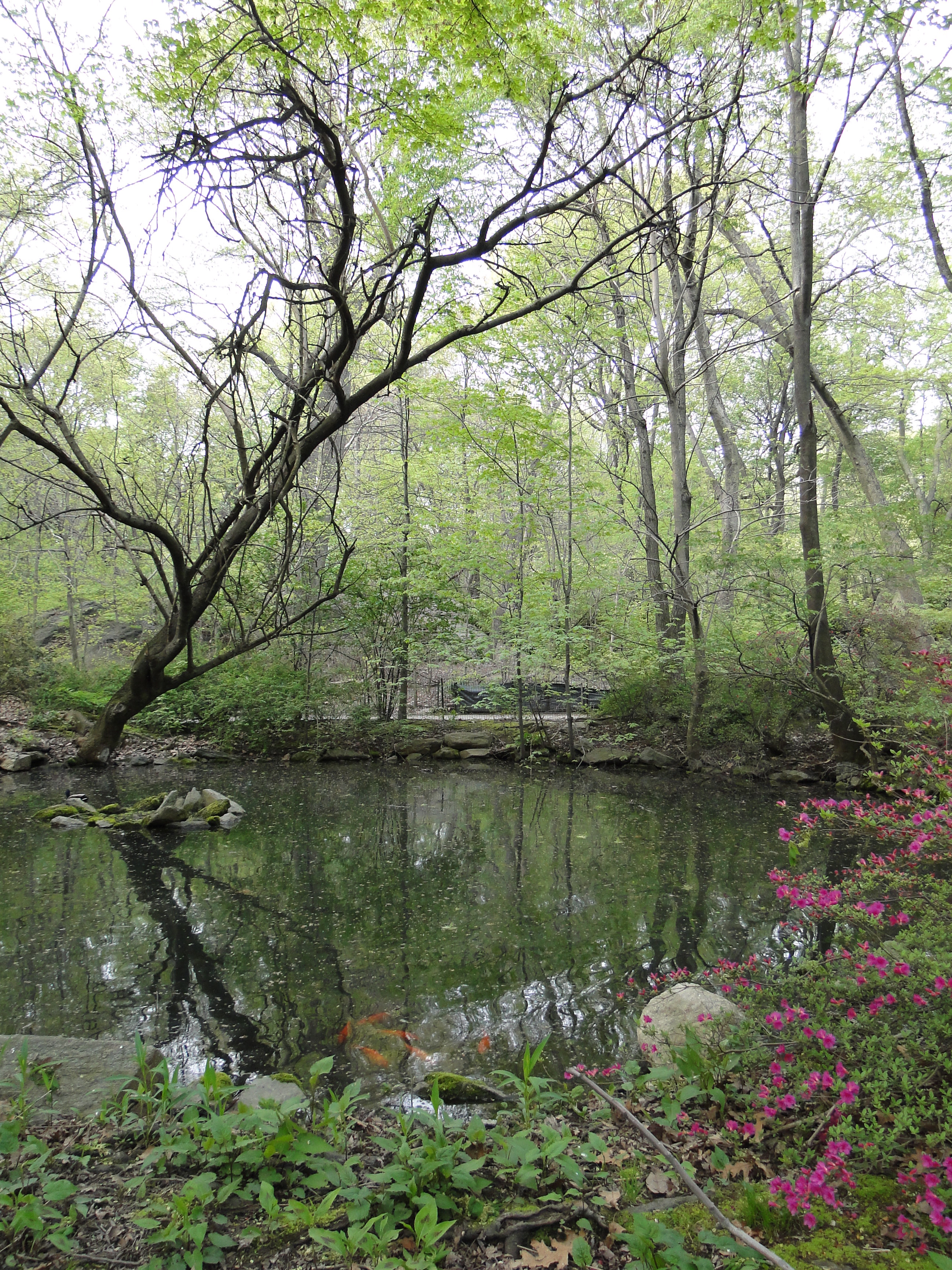

My apartment is on the 7th floor facing south and west.
I am blessed with gorgeous light and magnificent sunsets.
Decades ago, before doing a major tear-down renovation, I considered moving–but I couldn’t give up this very New York-rooftops view and the fiery sunsets like this one, seen a few weeks ago.

Photo by Michael Steinman
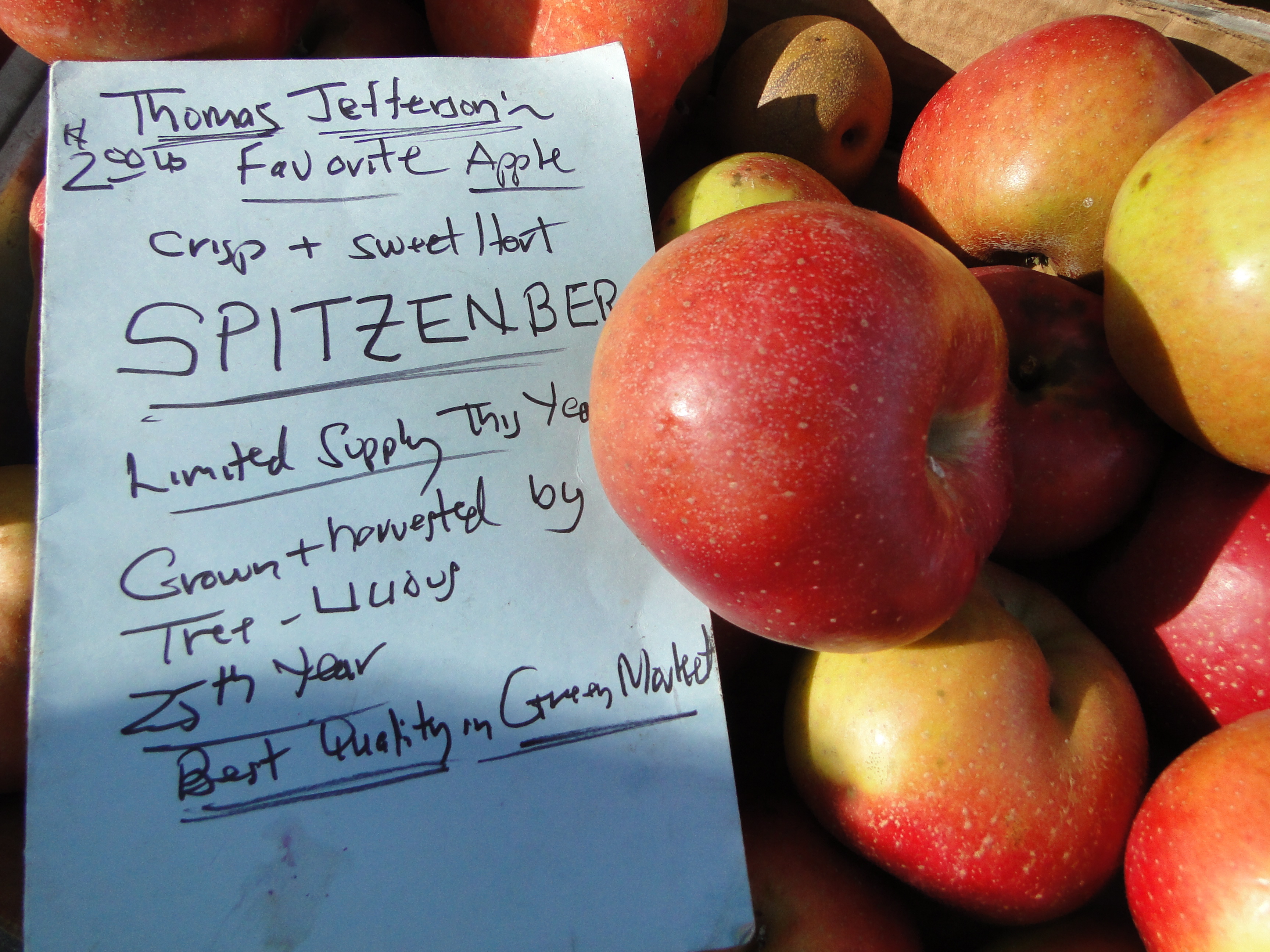 I keep running into contemporary reincarnations of Johnny Appleseed.
It’s great fun.
As the days get shorter, one of the major rewards of fall is tart, crisp, freshly picked apples, and I have been munching my way through many varieties. It’s a thrill that so many heirloom apples are coming back into the marketplace.

James of Tree-licious Orchards loves his apples.
James, the 7th generation New Jersey farmer at Tree-Licious orchards, who shows up at my local farmers market every Sunday, cannot contain his enthusiasm for his 70+ varieties of heirloom apples. And I, having tasted his russets, winesaps, and spitzenbergs have come to share his enthusiasm. Each week I look forward to buying and tasting what he has and each week the selection changes.
Can you imagine the pleasure of tasting one of Thomas Jefferson’s favorite apples?
Last night I attended a local apple, cheese, and cider tasting at Jimmy’s 43 in the East Village. The tasting was expertly run by Diana Pittet. Eric seems to know as much about apples as James does and his mission is to spread the word on heirloom varieties, especially the most prized Newtown Pippin, first grown in Queens (yes, Queens) and later in Virginia where is was re-named the Albemarle Pippin.
Baard, founder of Free Apple Trees! gave us four varieties of apple to try, including Northern Spy, Margil, Jonathan, and of course the Newtown Pippin. We had a good time matching apples and cheese.
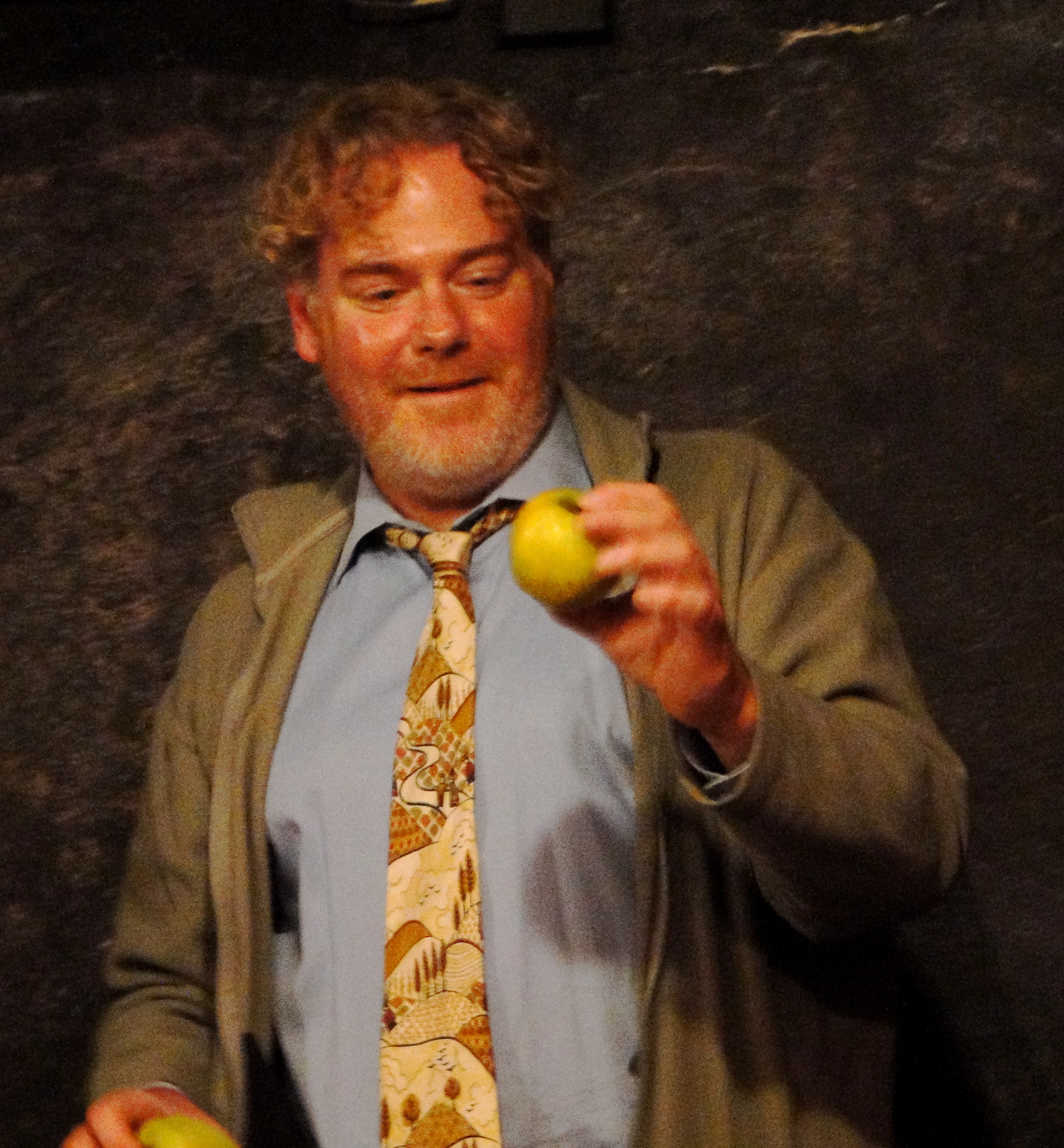
Eric Baard, founder of Newtown Pippin Restoration and Celebration.
Four types of apple cider, ranging from sweet and fruity to mild and yeasty, were offered by Crispin Cider. An outrageously delicious Raisin-Haters Apple Chili Chutney was provided by Sweet Deliverance Chutney Co. The superb cheeses came from Saxelby Cheesemongers in the Essex Street market.
Altho I loved the silken washed-rind raw cow and goat cheese made by Twig Farm in Vermont, My favorite was the Cabot Clothbound Cheddar. A slice of that dipped into the Apple Chutney and washed down with a little cider and I was in apple heaven.
Long live Johnny Appleseed.
Posted in farmers markets, local/heirloom foods, new york city | Tags: apple and cheese tasting, cabot clothbound cheddar, ceric baard, crispin cider, diana pittet, heirloom apples, New York State heirloom apples, newtown pippin, russets, saxelby cheesemongers, spitzenbergs, sweet deliverance chutney co., Thomas Jefferson's favorite apples, Tree-Licious orchards, twig farm cheese, winesaps
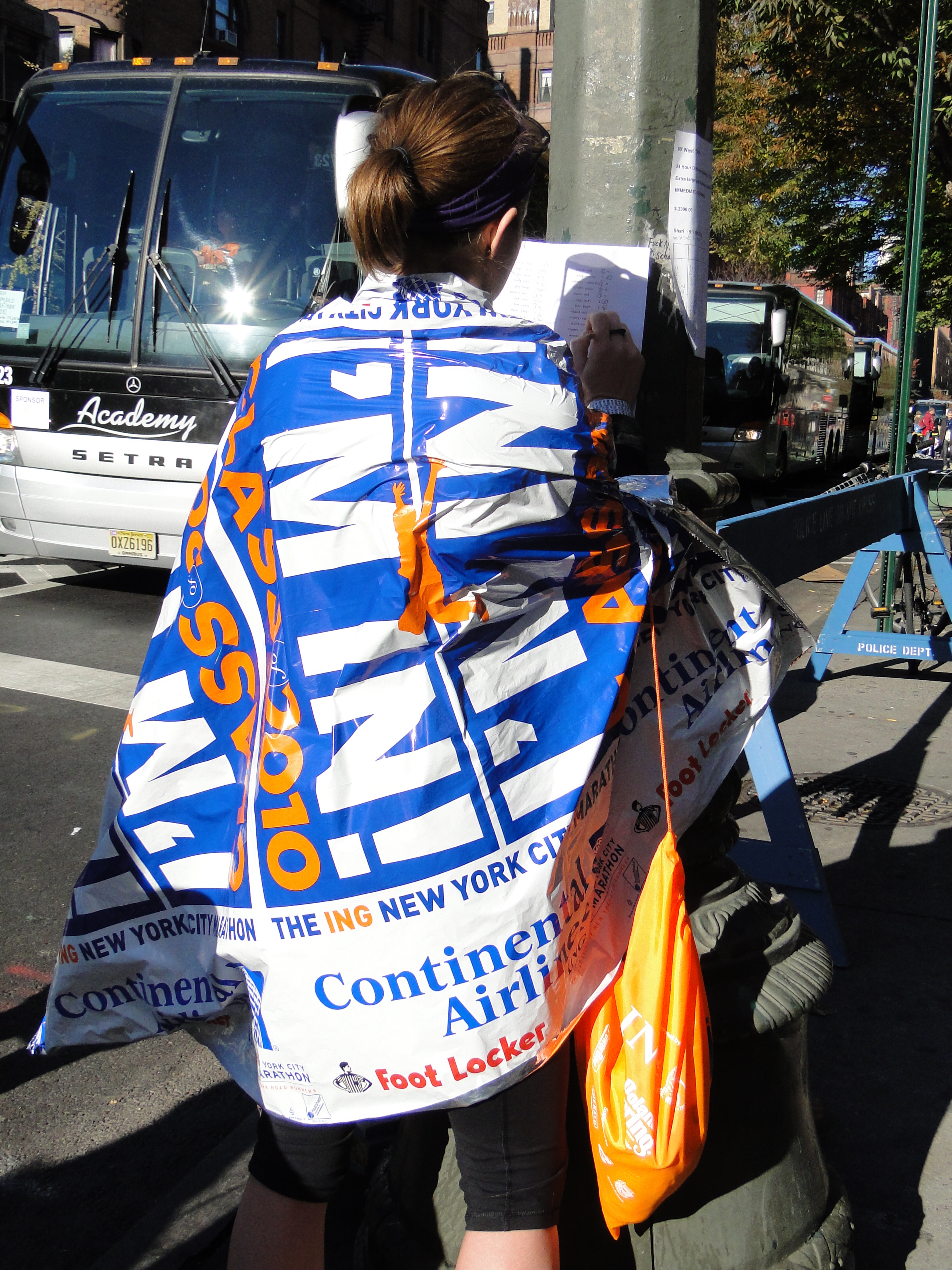 I live in the West 80s just off Central Park, so every Marathon-Day my neighborhood is transformed into the United Nations, a Tower of Babble, and “We Are the World,” all at once.
When I walked along Columbus Avenue yesterday around 2 pm, I chatted with a Puerto Rican, a Swede, and a Brit within 5 minutes. The runners, of course, were easily recognizable by their superman/super-woman capes.
Many of them were limping along, but happy to chat and thrilled to have finished the race. Many were waiting to connect with friends and loved ones. All of them were wearing bright bronze medals with the year 2010 proudly displayed. It was fun congratulating everyone I passed.
I was so happy to watch as a pedicab driver settled two of the runners into the seat and covered them with blankets. They were the heroes of the day and should be treated as such.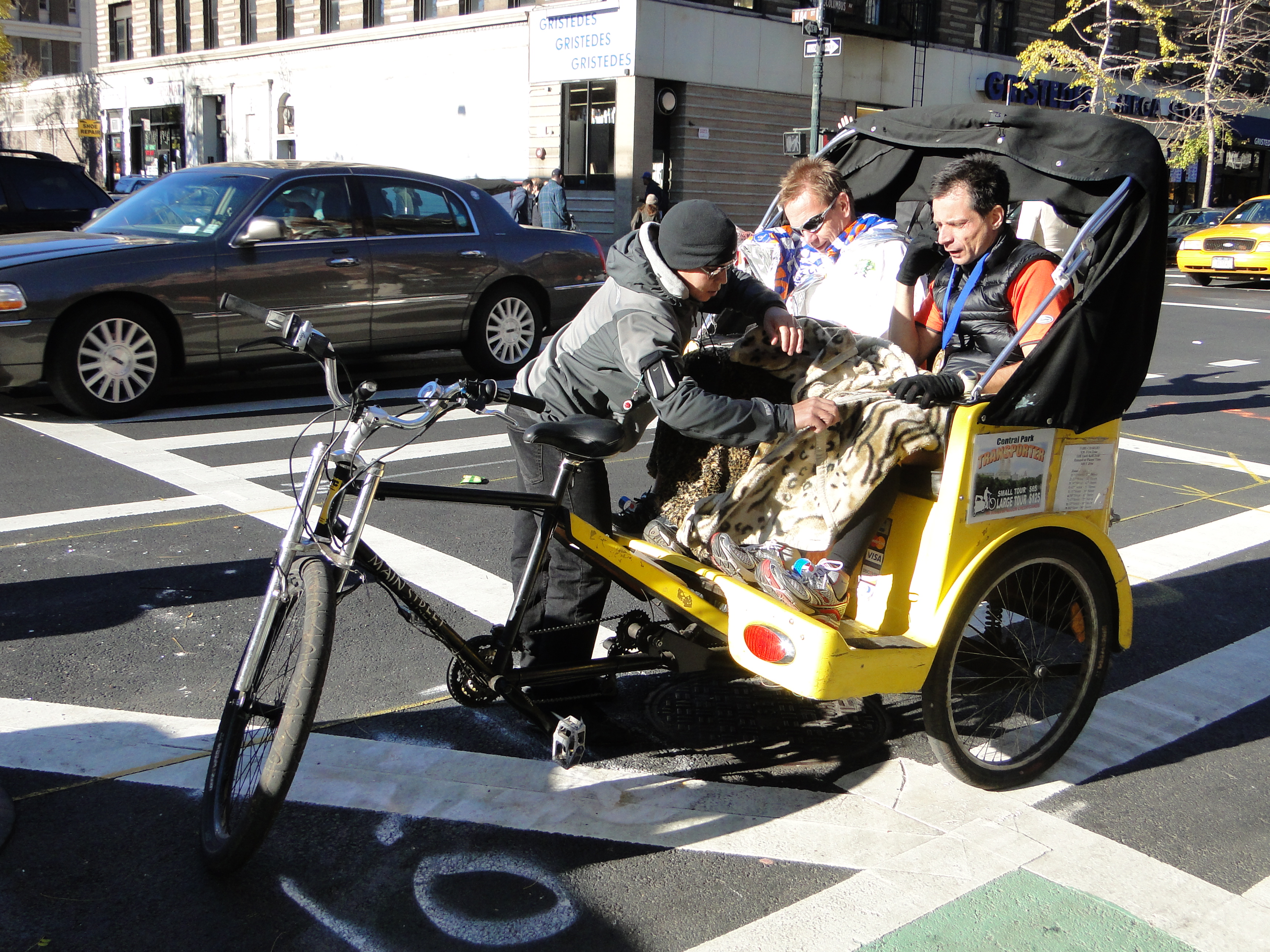
Returning home about 5 pm, the scene looked totally different. On the corner of 86th and CPW, The Sweetie and I tried to help two Belgian women who could barely stand and didn’t seem certain of the name of their hotel. Finally a cop found them a cab–which were very scarce–and hopefully they got into a very hot bath.
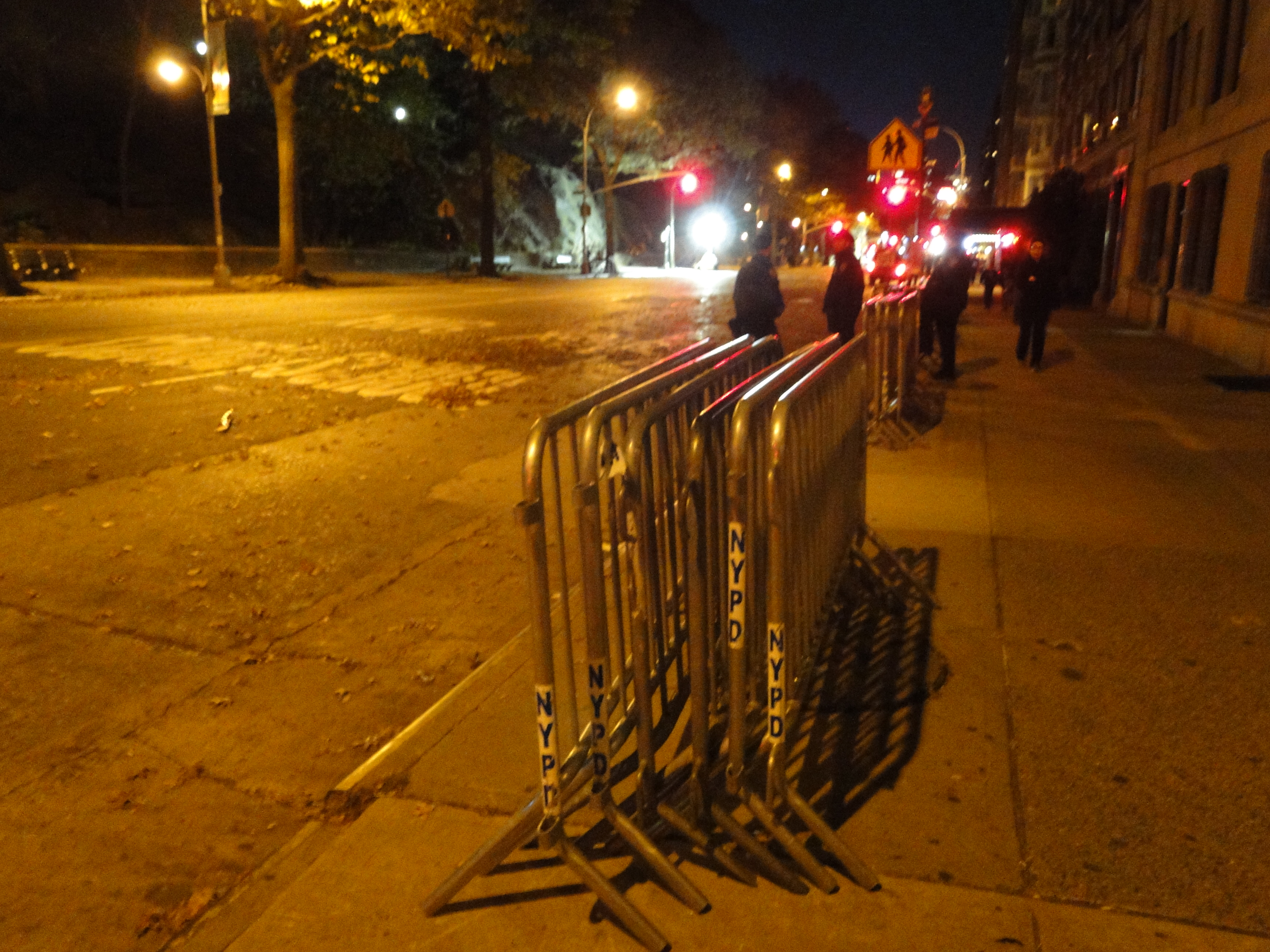
All of Central Park West below W. 86th was closed to traffic, awaiting the Sanitation trucks badly needed for clean-up: the garbage pails were overflowing and there was litter all along the street. There were gaggles of cops everywhere, but they reported that there were no medical emergencies during the day.
I had a nice chat with the Sanitation truck driver about the alternative-side parking dance that happens twice a week in my ‘hood; he was poised at the end of my block, awaiting orders to get going. Next to the truck were 3 portosans.
Everyone was in high spirits.
Here’s what CPW looked like last night around 5. By 7 pm, it was as if the Marathon had never happened.
Posted in new york city | Tags: nyc marathon 2010, nyc streets, west 80s transformed by nyc maration
The streets in my ‘hood are starting to look more and more like classroom chalk boards. Last week when I walked west from my apartment building and reached Columbus Avenue, I saw all kinds of white grids on the asphalt–freshly painted zig-zags that would do a high school geometry teacher proud.
 Yesterday, I was amazed to find a road crew painting a wide swath of green paint along the east side of Columbus. “It’s a bike lane,” explained the worker rolling the paint in a very thick layer. His shoes were covered with paint, and I teased him that bikes would soon be riding right over his feet.
But how did the city manage to choose this ugliest of all greens? Is it retro-deco?
One bemused passer-by labelled it “sea foam green.” Maybe that’s what sea foam looks like in the Caribbean, but the Atlantic ocean has a different color entirely, and what an awful choice for NYC streets.
Why didn’t they ask my advice? It’s clear that what we need are bright, evergreen bike lanes, not some suggestion of a tropical paradise.
Anyway, the good news is that bikers will now have a lane instead of putting their lives in danger by twisting and turning among moving vehicles as they are in the photo below.

Posted in new york city
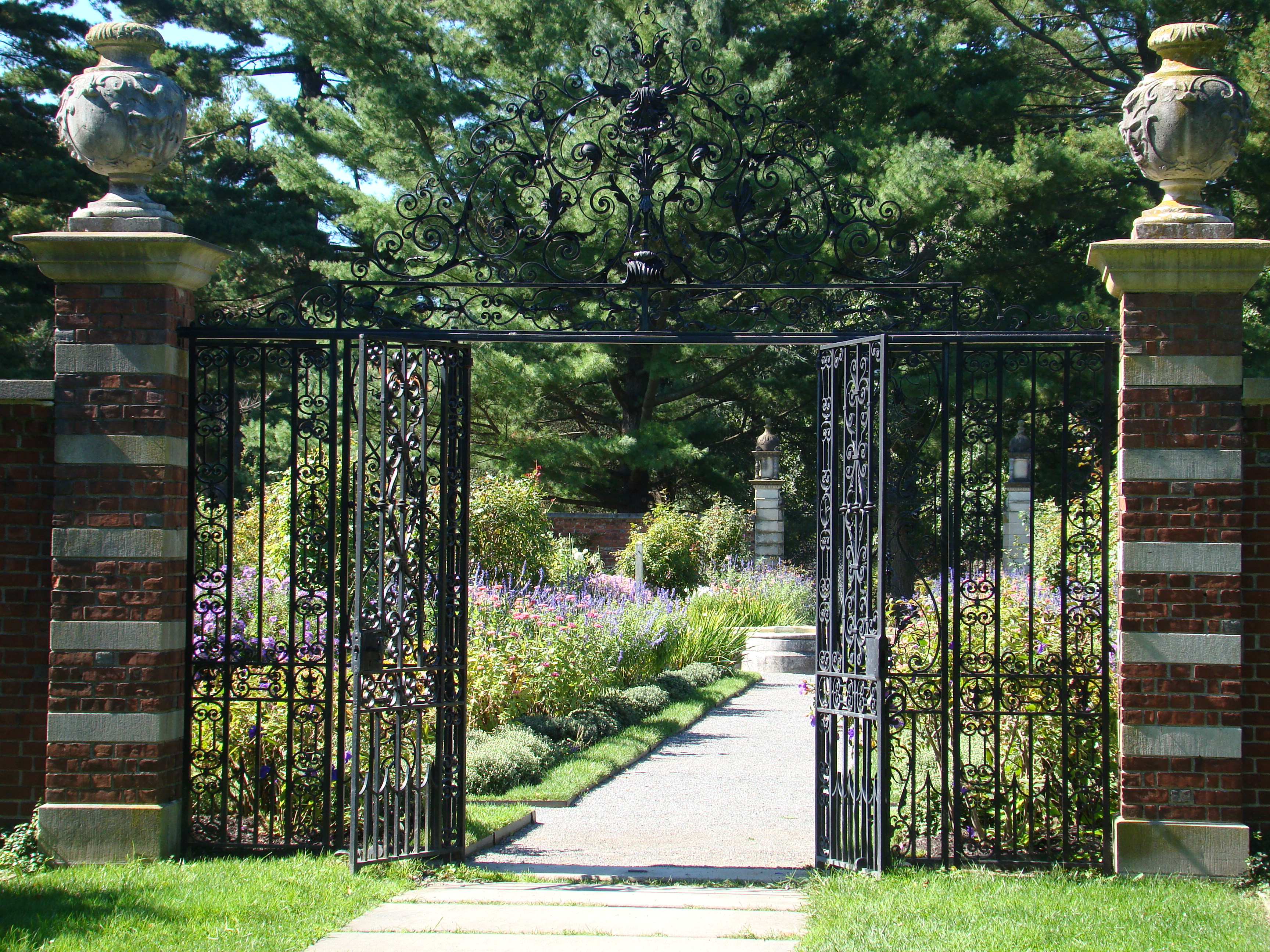 The Sweetie and I were on Long Island last weekend to attend a family celebration and we took the opportunity to visit Old Westbury Gardens.
The garden website indicated that we could expect asters in bloom and not much else, so it was with great surprise that we discovered a variety of charming posies as we strolled through this charming garden on a warm, early fall day.
The borders reminded me of English gardens–informal and sometimes daring in the variety of colors–with lots of purples and pinks that are personal favorites.
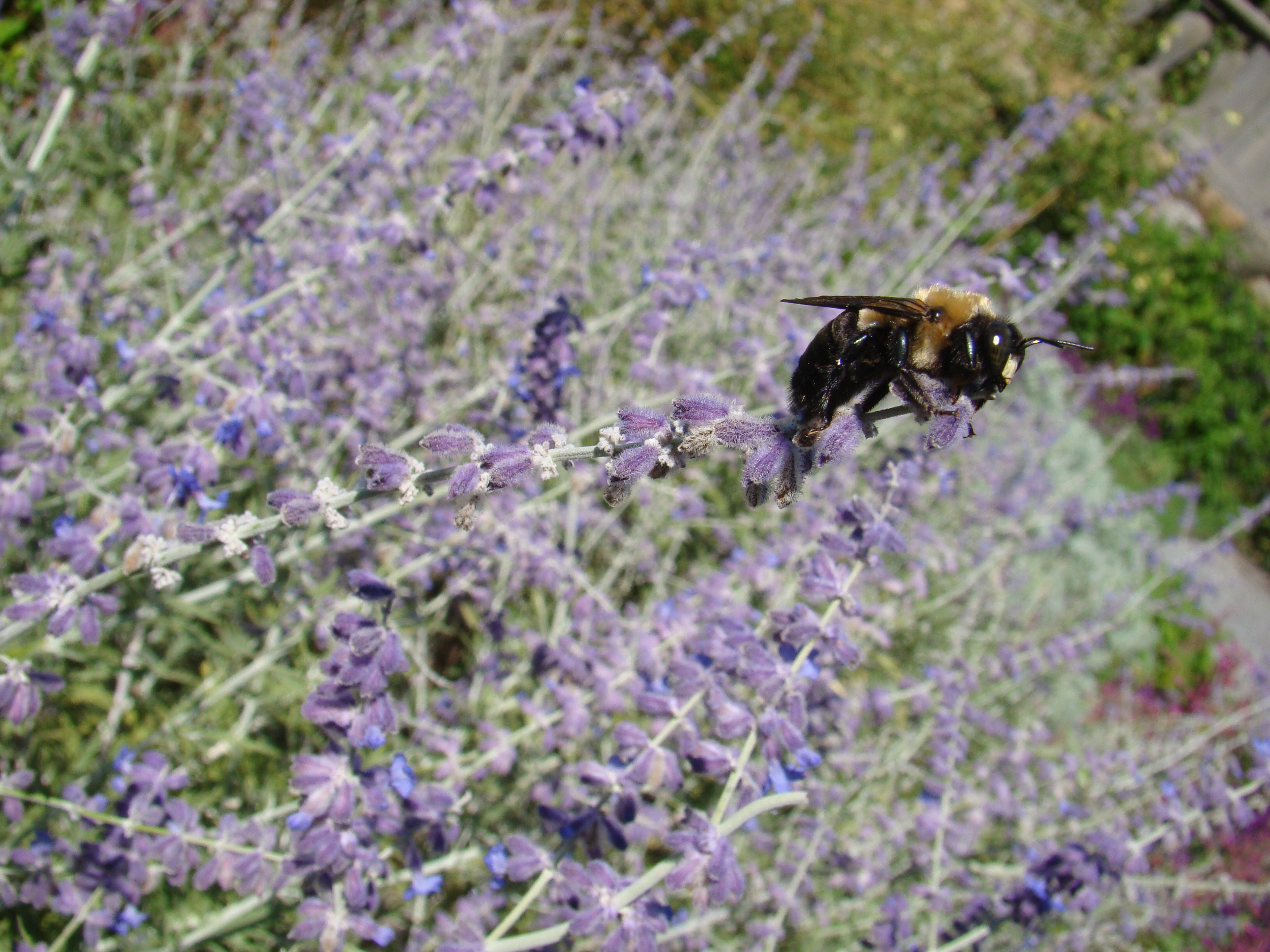
The bees were a-buzzin’ everywhere, some of them so laden with pollen that they could hardly move.
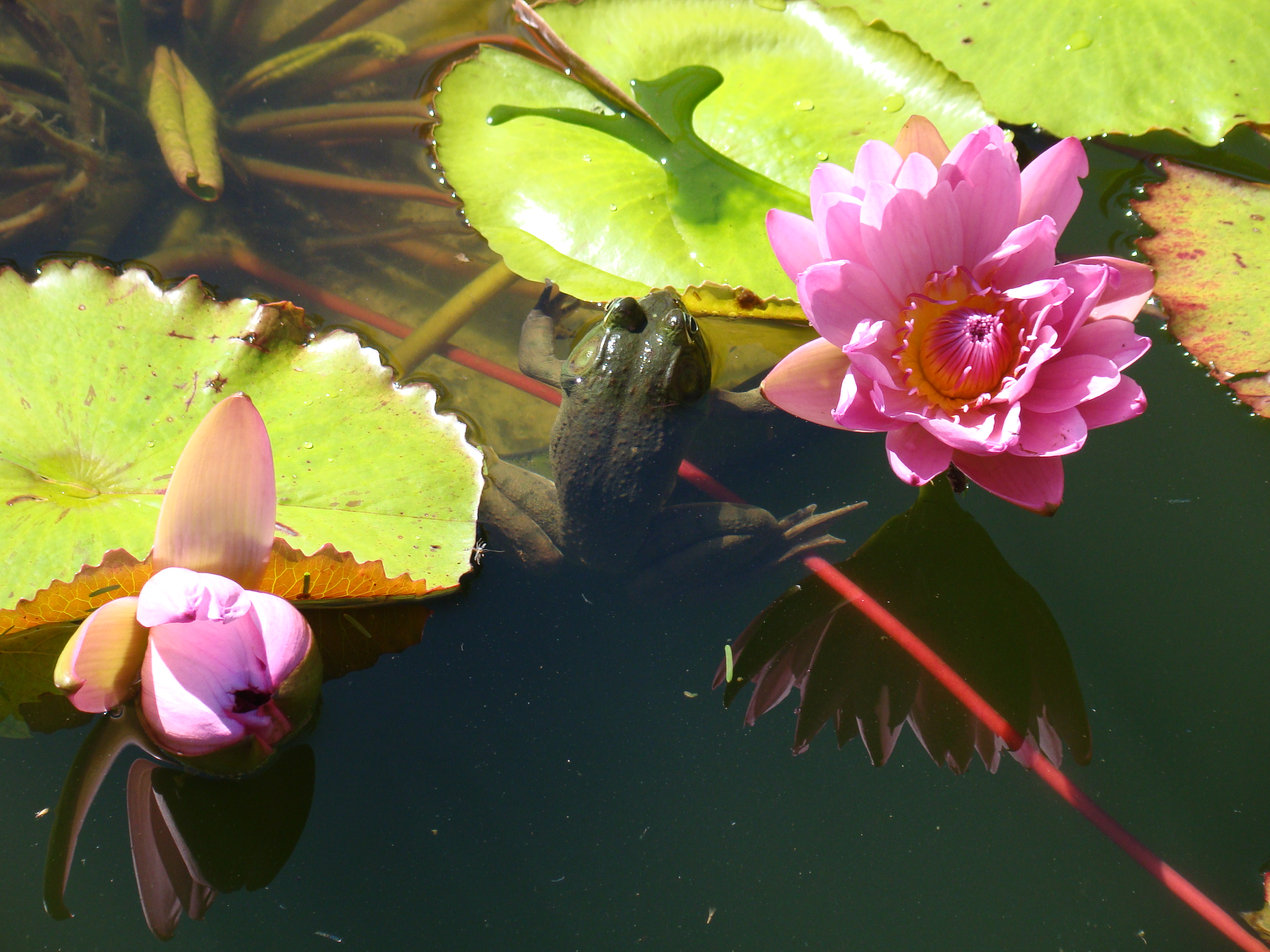
I didn’t realize that there was a frog poised on the water lilies until I saw the photo downloading onto the computer–kind of like the surprise you’re in for when watching an image come up when you are making a black-and-white print from a negative. Hi Froggy!
Then, on the way out, we saw these gorgeous purple berries. What kind of shrub is this? I want one.
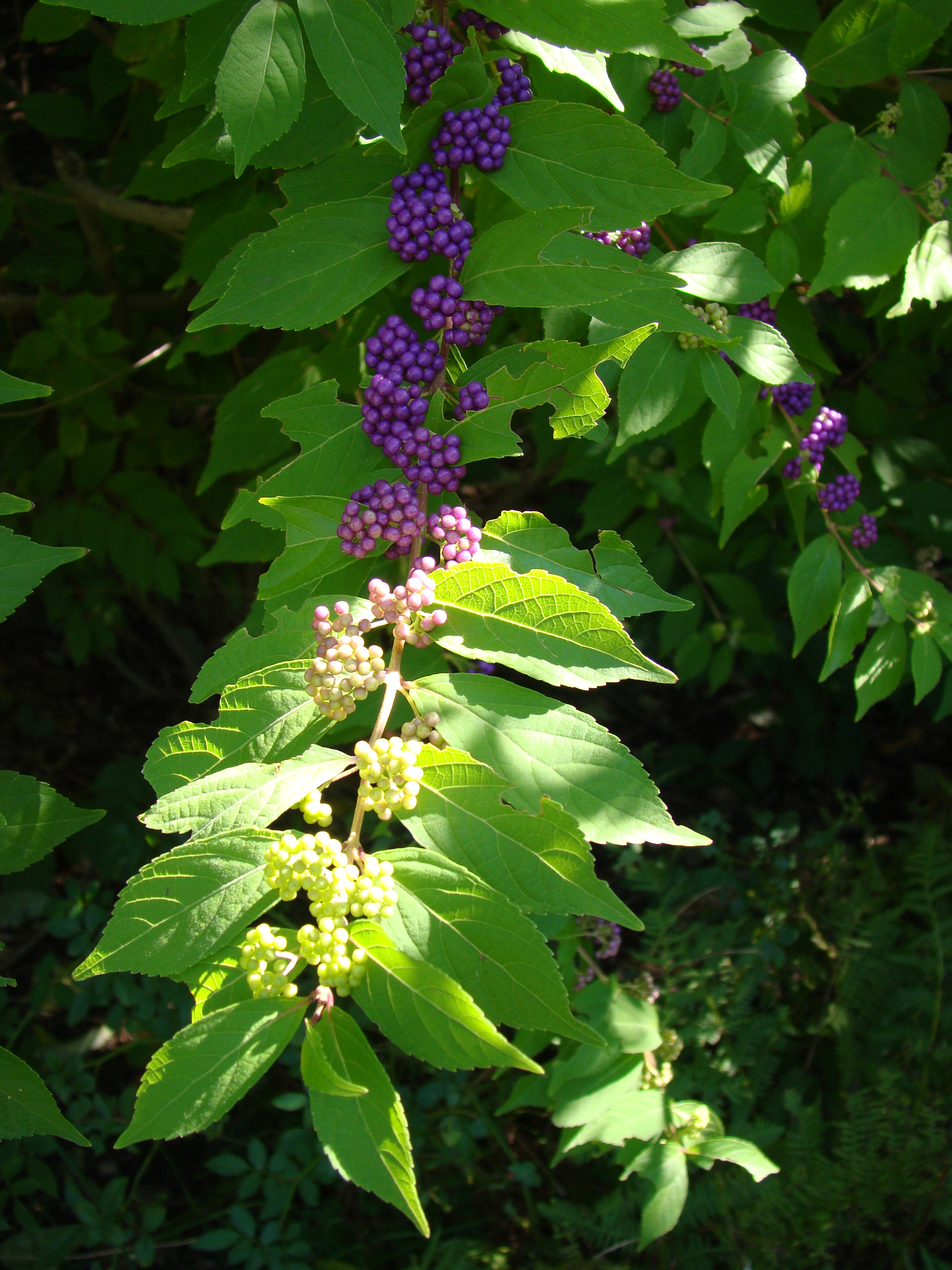
Posted in flowers, gardens | Tags: bees, FALL flowers, frogs, Lorna Sass At Large, old westbury gardens, purple berries
 We are leaving Thursday after two months in the UK, and I am feeling nostalgic.
Never have I seen so many beautiful flowers in such a short period of time. Never have I “met” a nation so enamored of flowers. Even the smallest front garden has a proud patch of posies, and the frequent rain and temperate climate keeps them all very happy.
Here is a tiny sampling of the special flowers I saw–with thanks to all the plant-hunters who introduced them to Britain from far-away places centuries ago, and with appreciation for all of the gardeners who look after them.
The bees thank them too…

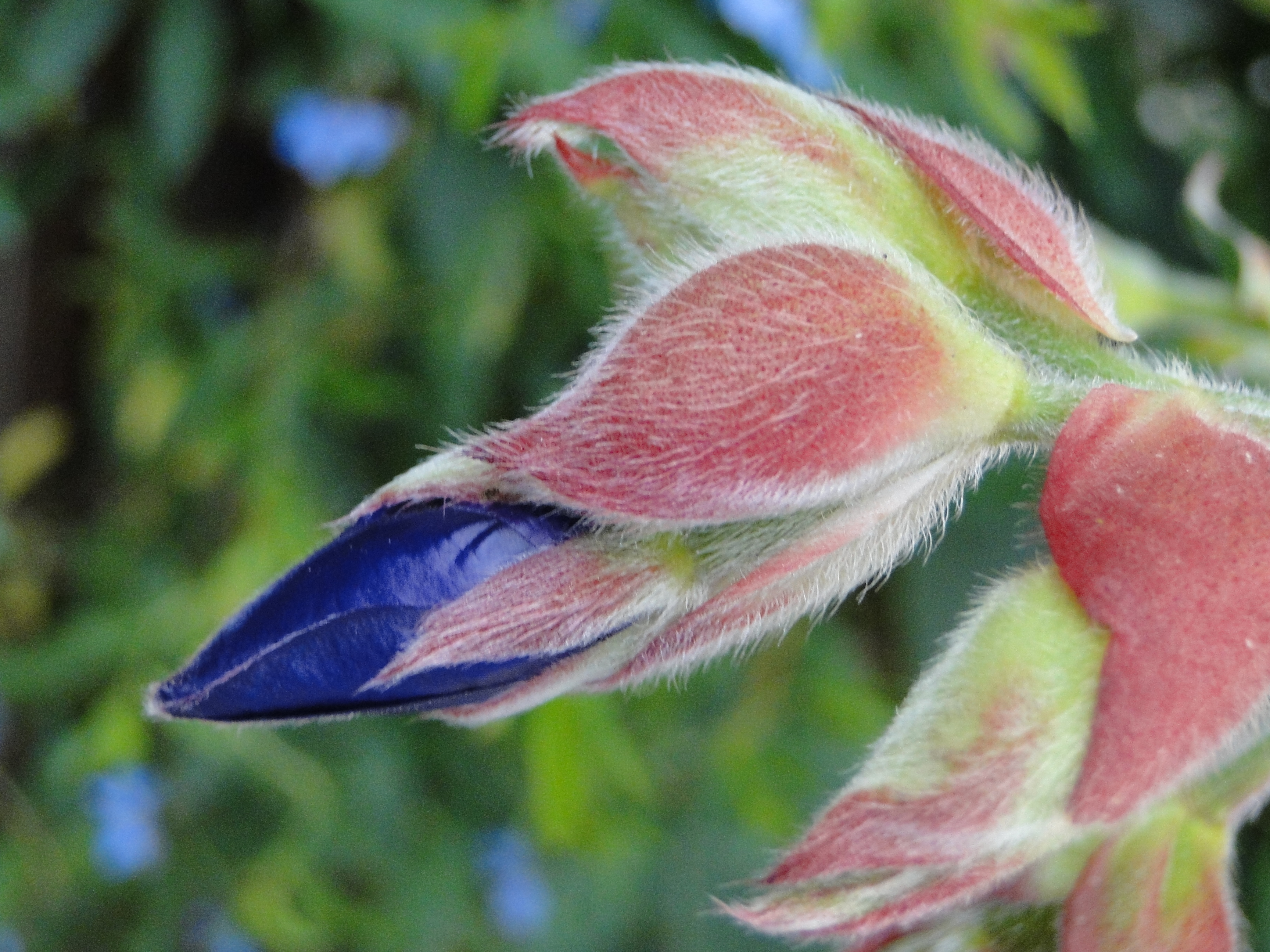

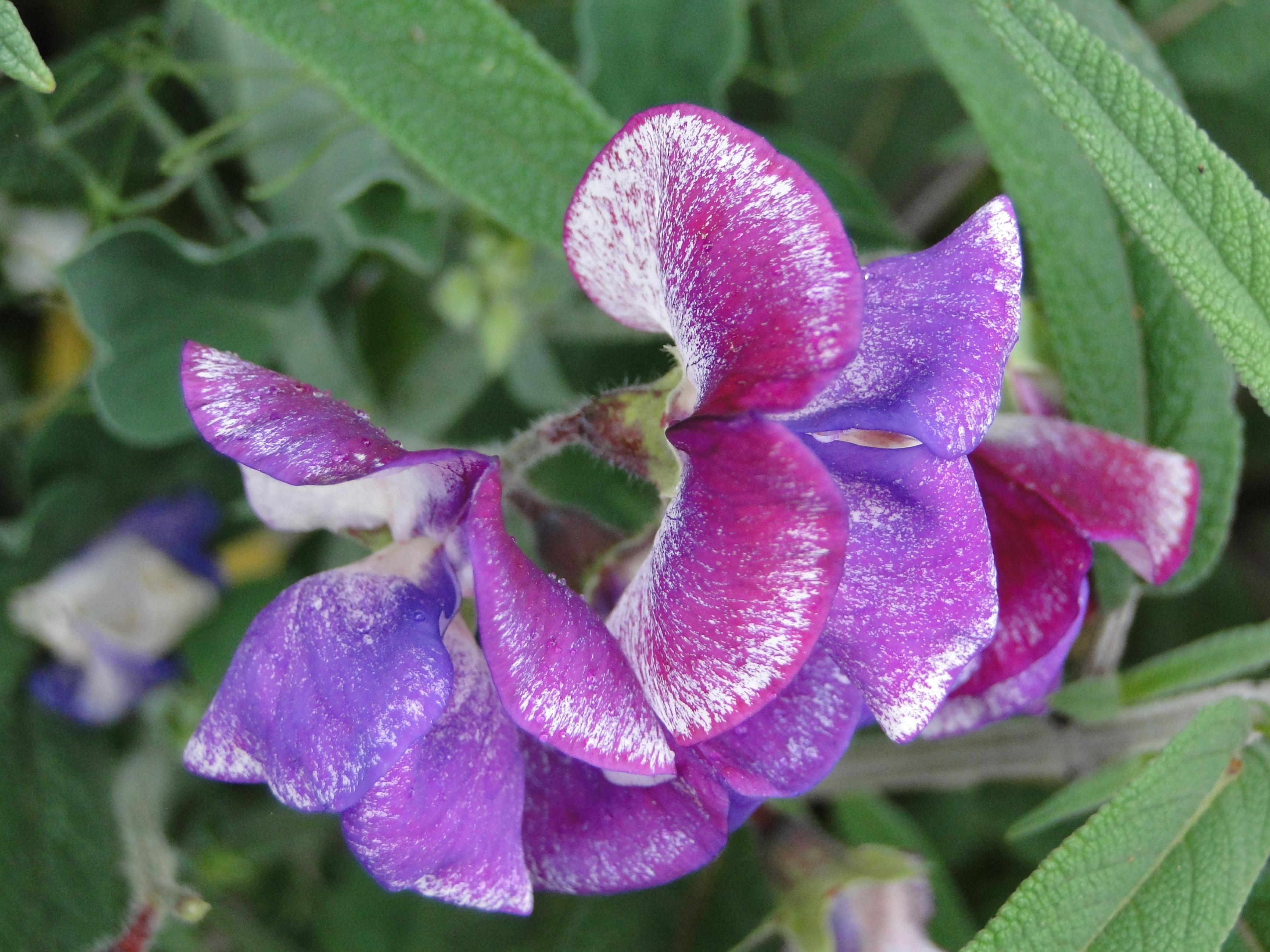

Posted in art photography, flowers, travel | Tags: british flowers, flower buds, flower photograph, pea shoots, tiger lillies
 Yesterday I fulfilled a long-held wish to visit the Royal Garden at Kew. It was an easy trip from Hampstead on the Overground. (Who knew there was an Overground?)
Almost as soon as we arrived, I noticed planes flying overhead. When I lay down on the grass a few hours later, I counted a plane every 10 seconds. Heathrow is very nearby, and the planes fly very low over the majestic old trees of Kew before they disappear into the clouds. I noticed people occasionally looking up to see the source of the roar, but they had no noticeable reaction.
I felt disgust.
Although I live in New York City, my apartment faces south into courtyards and is a silent sanctuary. I require this silence to still my mind and knit myself together after experiencing all the noise outside, but that same silence has made me a very uncomfortable traveler.
For example, I’m staying in a lovely ground-level flat in Hampstead and feel eager to sit outside in the garden, but the heavy traffic noise coming from a major thoroughfare around the corner drives me back inside almost immediately.
Forget falling asleep when there is street noise outside the window (ear plugs help, but not quite enough), and I turn on my heels and exit about 75% of the restaurants I enter because I can’t tolerate the numbing noise blasting from the sound system. I am in a state of constant amazement that no one else seems to mind.
Recently I found myself pondering the difference between sound and noise. Sounds like birdsong or babbling brooks make me feel happy. Noise like police sirens, people yelling into cell phones, or cars honking makes me nuts.
When my elderly Siamese cat became disoriented in the middle of the night and wailed, I was startled into wakefulness, but her sound was not noise to me. It was a call for help.
Love seems to make a difference.
So maybe there’s hope for this human, who is ironically experiencing hearing loss in common conversation but getting more and more perturbed by this noisy world we live in.
It’s a truism that we travel to experience new things, but it’s also true that while traveling we miss some old things about home. (Few people talk about this part, at least in my company.)
While I’ve been delighted to be back in the UK after a 30-plus year absence, I haven’t felt too pleased at breakfast time. You see, the Brits haven’t discovered the toaster oven.
Here’s what happens every morning, the inevitable: the toast gets stuck.
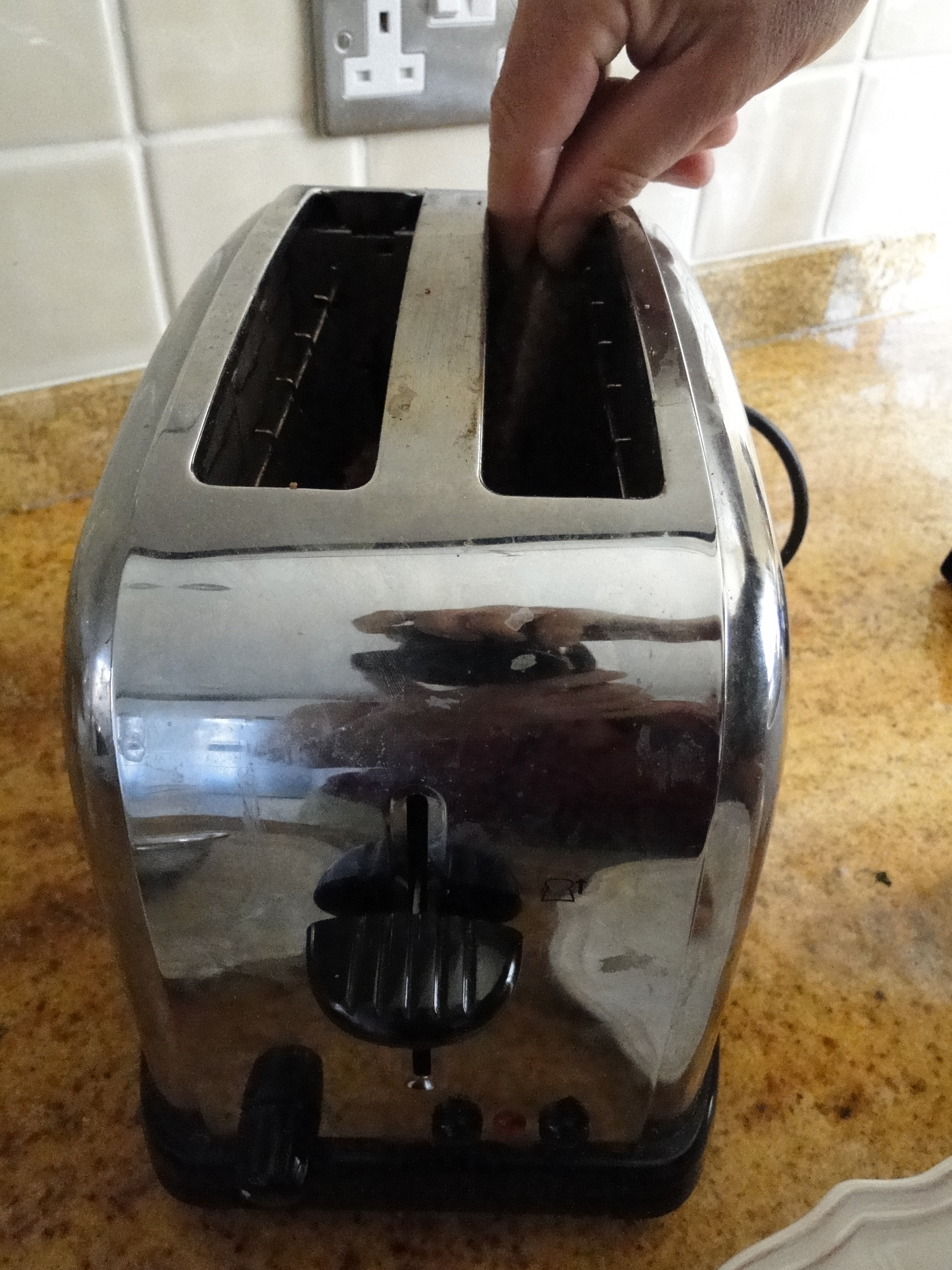
Why hasn’t the toaster oven make it across the pond? I’ve asked a few people and they’ve never even heard of the thing.
I love my toaster oven, not only for toasting bagels and other chubby slices that would otherwise get destroyed in a pop-up toaster. I love using it for making melted cheese sandwiches and re-heating a slice of pizza. I often bake sweet potatoes in it when it’s too hot to turn on the oven.
I will confess that it’s getting harder and harder to find a really good toaster oven, one that is aluminum rather than plastic, one that doesn’t ding and tick, one that doesn’t require a few hours of reading to figure out how it operates, one that really lasts. So I’ve resorted to buying vintage GE toaster ovens on E-Bay, and I’ve been really happy with them.
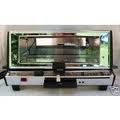 If I were at home, I’d photograph my current toaster oven and show it off to you, but I’m still on the road, so I’ve taken this image from google to give you some idea of the pleasure and convenience not only of using a vintage toaster oven, but of looking at it.
This tiny image doesn’t do it justice, but look at that shine!
Posted in breakfast, travel | Tags: burned toast, GE toaster oven, toaster, toaster oven, traveling in the UK, vintage toaster ovens
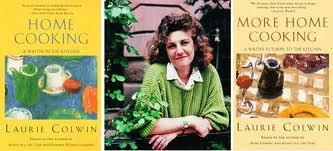 It’s ironic that I’ve ended up reading Laurie Colwin’s HOME COOKING and MORE HOME COOKING when I was on the road.
I picked up her first volume of collected essays with recipes (compiled mostly from pieces published in Gourmet during the late 80s and early 90s) when I was spending two weeks in a rented apartment in Vancouver and happened upon it on the owner’s shelf. The second, MORE HOME COOKING, was given to me last week by an ex-pat American living in Ireland. She thought I might enjoy it and she was right: I gobbled it up.
Laurie Colwin is easy and good company. She is hyperbolic in her love of good food and offers many recipes that she promises will reward the reader/cook with great pleasure. She cooks mostly from published recipes, which she gleefully plays around with, giving them her own personal stamp. Even though Colwin is equally enthusiastic about every dish she presents, somehow you believe her, and it cheers you up.
Colwin’s love of cooking and eating is infectious and makes you want to run into the kitchen and turn on the oven. In her own homey way, she becomes larger than life, embracing and admitting to that part of ourselves that has denied the basic pleasure of licking the bowl clean with gusto and not the least bit of embarrassment.
Like many dedicated cooks, Colwin was cooking Slow Food long before it became a movement with a name. She promises readers that they can eat really well with just a little bit of planning and a few minutes at the stove, leaving the low flame or slow oven to do all the work.
She is fond of old-fashioned things, and has a particular affection for English puddings, cakes, and jellies. One of her favorite cookbooks is Jane Grigson’s GOOD THINGS, and since I am currently in England fondly remembering my visit with Jane Grigson in the late 70s, I took special pleasure in reading Colwin’s take on Grigson’s Three-Layered Lemon Gel.
Colwin comes across as delightfully kooky and, from what I’ve heard, wore only striped clothing–but this rumor was not confirmed by the images I found on Google. However, she’s definitely not a dull girl, loving her lime pickle and chili peppers to distraction.
I’ve read all of her novels and short stories with great pleasure and I commend them to you. I have dog-eared the page where the recipe for Karen Edwards’s Version of Buttermilk Cocoa Cake appears. Perhaps I’ll make it when I get home, but likely I’ll get caught up in other things–a reality of modern life that Colwin laments.
You can read more about Laurie Colwin in Jonathan Yardley’s lovely tribute written shortly after her sudden and untimely death in 1992 at the very young age of 48.
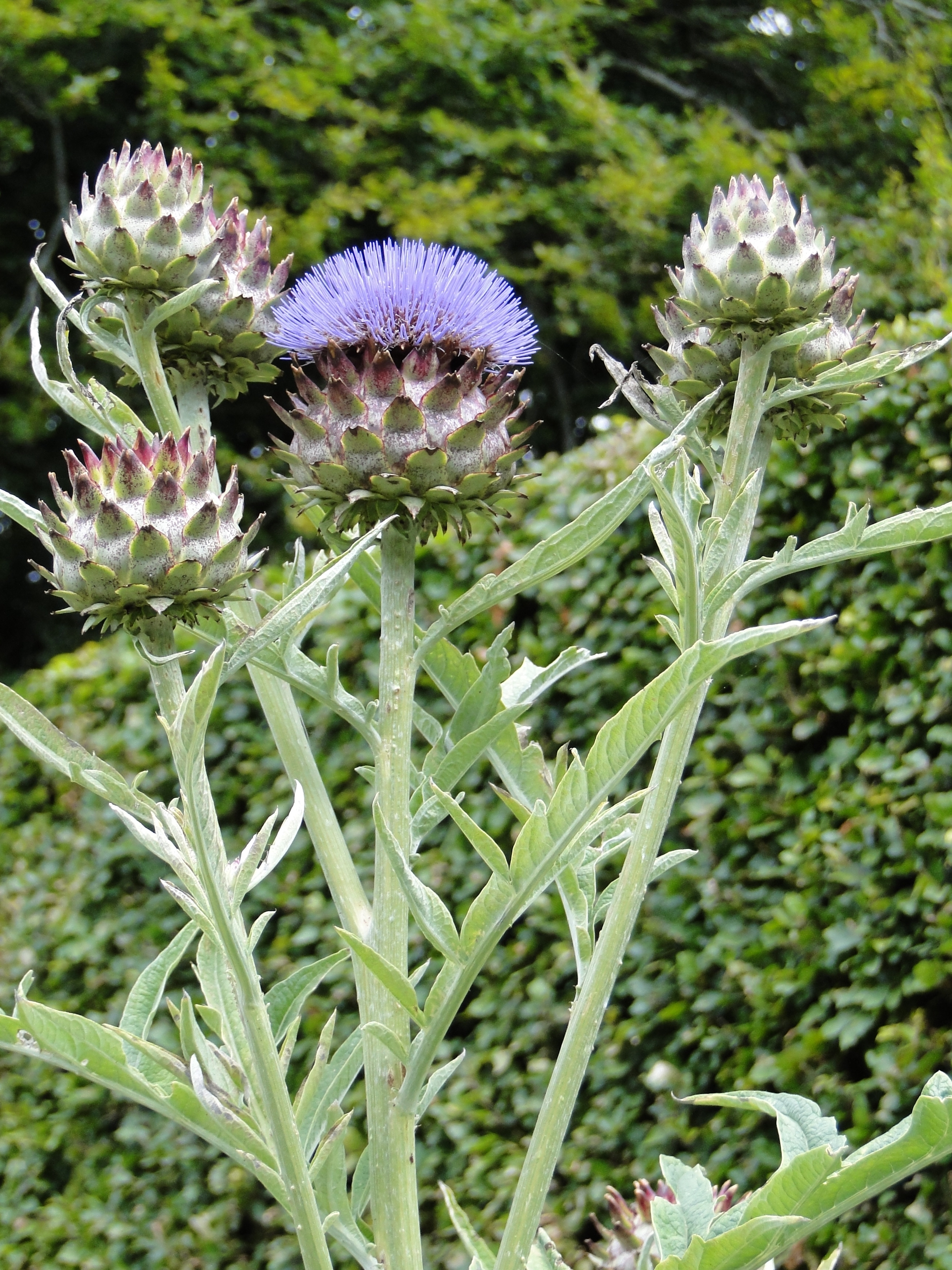
I’d never seen an artichoke in flower before coming to England, and what a delightful surprise to see one of my favorite shades of purple bursting from a seemingly arid base of olive green.
I’ve gone a little crazy photographing these flowering thistles and noticed along the way that the bees are as wild about artichoke flowers as I am.


 I love marmalade!
One of my favorite breakfasts is a few slices of toasted wholegrain bread (preferably speckled with walnuts and dried cranberries) slathered with crunchy almond butter and a thin (well, not that thin) gloss of marmalade.
When we were in Sicily and tasted homemade marmalade at breakfast during one of our farm stays (at an agriturismo hotel), I found the thick slices of lemon and orange irresistible. The blood orange marmalade deserved to be in a category of its own: it was so good. We loaded up on Sicilian marmalade and carted it home and once it was eaten, I went back to buying good quality jams.
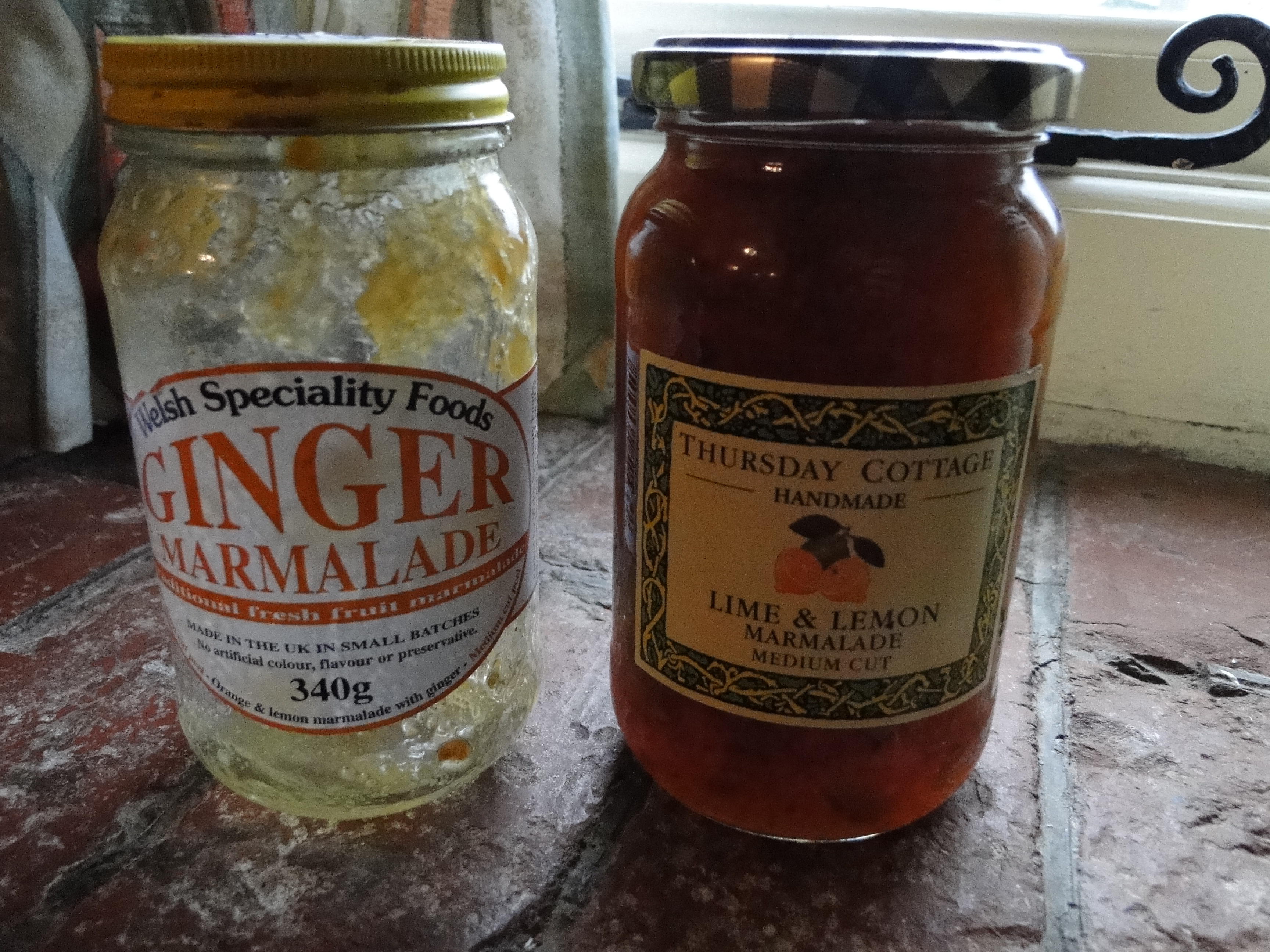
Now in the UK, I feel like I’ve rediscovered marmalade. You can see from the empty bottle that I enjoyed the ginger marmalade in the picture–a very good idea to mix ginger and orange!–and I’m sad it’s just about gone. But I have a nice back-up with the lime and lemon marmalade on the right (“made in small batches”, they claim), tho looking closer I see that it’s medium-cut and I’m a thick-cut kinda girl.
I’m looking forward to re-reading C. Anne Wilson’s THE BOOK OF MARMALADE when I get home. She a terrific researcher and she’ll fill me in on everything I want to know about the history of marmalade in the UK.
Now I’m wondering who invented marmalade: the perfect way to preserve citrus fruit. Was it the Sicilians or the Scottish (and where did they grow all those oranges?) or maybe the Arabs? Or was it a case of simultaneous invention?
Buddleias grow in profusion in most of England: they like the weather here and many of them grow wild along the roadside. We are lucky enough to have two beauties outside of the front and back doors of the cottage we are renting in central Devon. Some days there are dozens of them feeding on the same bush, especially when it’s sunny.
The common name for Buddleia is Butterfly Bush.
Here you can see why.

Posted in art photography, flowers, green planet, nature photography, travel | Tags: butterflies, butterfly bush, BUTTERFLY ON BUDDLEIA, Devon
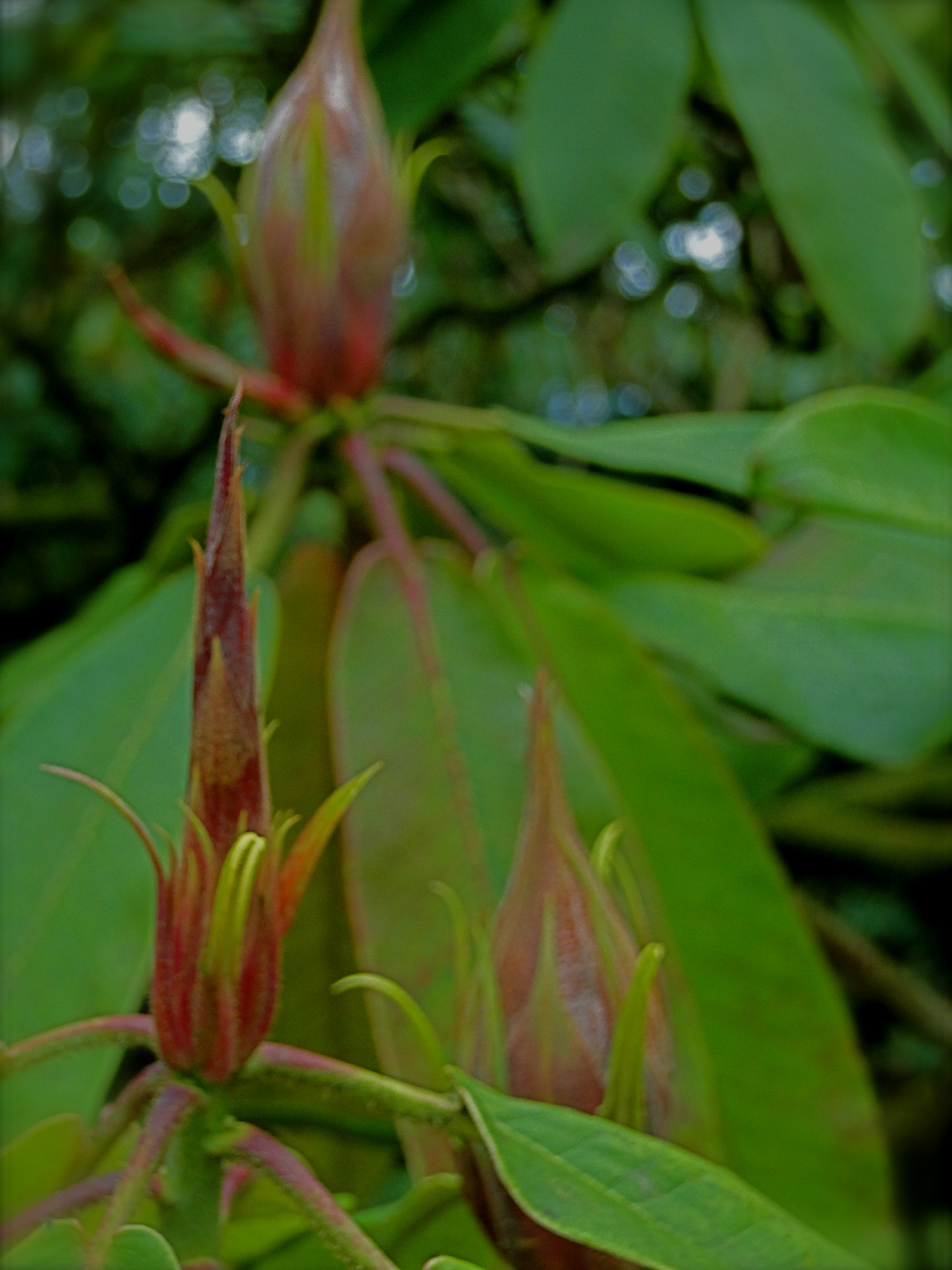
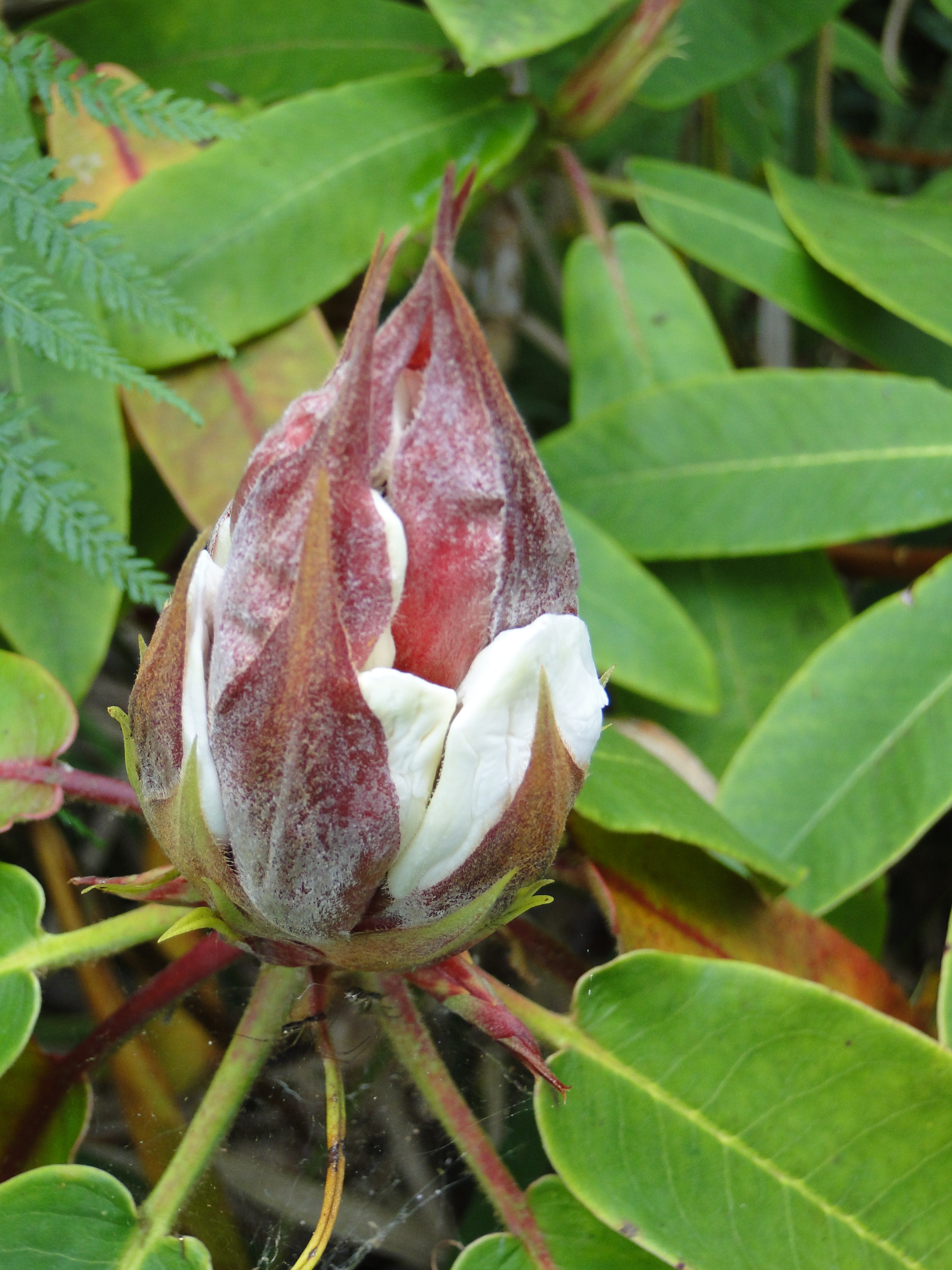
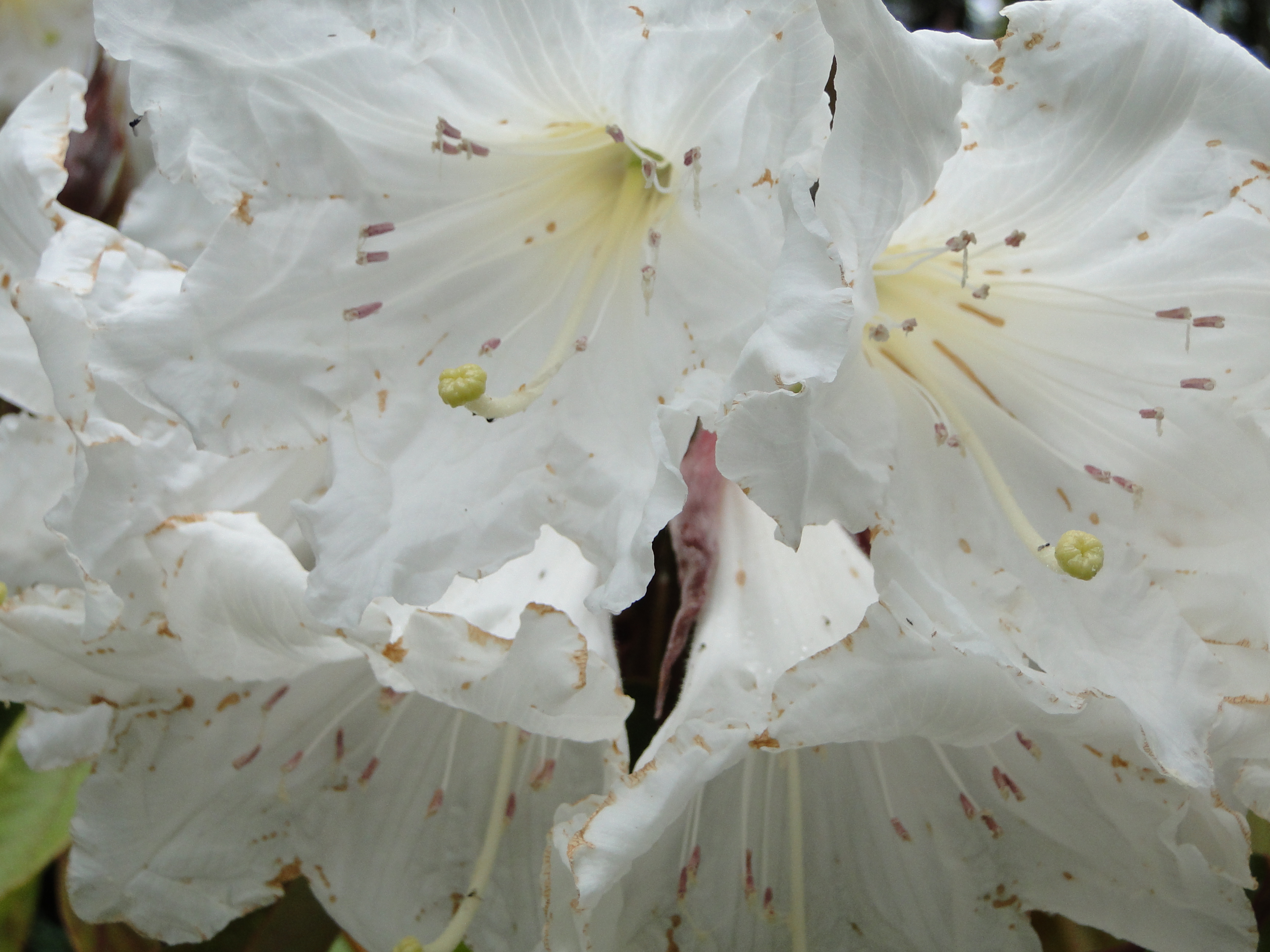
In the majestic arboretum of Knightshayes Garden in Devon, I came upon a huge, solitary rhododendron auriculatum in various stages of blooming.
Here’s the step-by-step coming-out party:

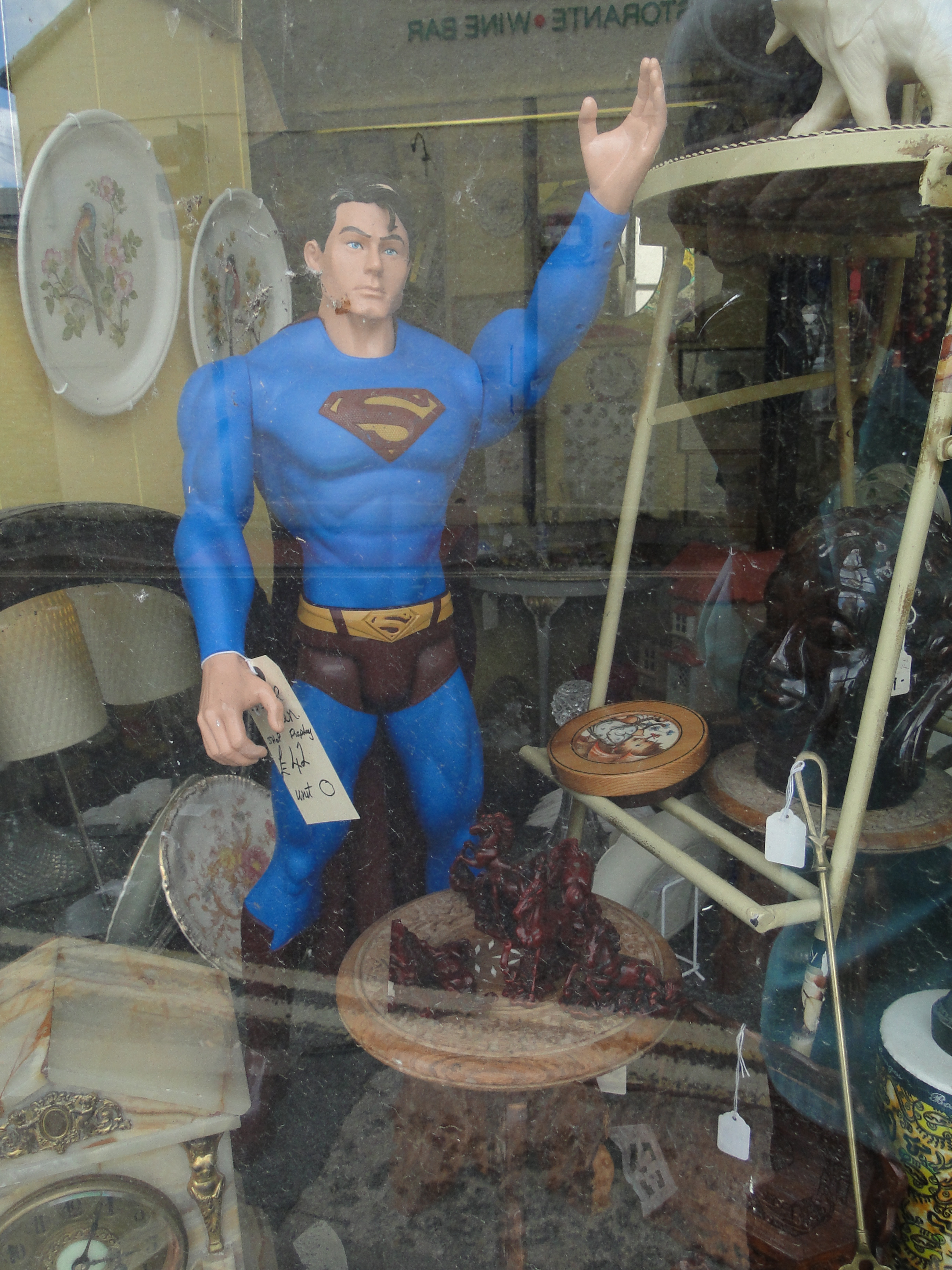
We stopped in the pleasant Gloucestershire village of Lechlade to have lunch before visiting William Morris’ nearby Kelmscott Manor. The town had numerous irresistible, multi-dealer “antique” shops, full of old British stuff: books, posters, costume jewelry, tools, china, pottery–you name it.
The iconic figure of Superman (The Man of Plastic) in one of the shop windows–able to leap bric-a-brac in a single bound– stopped me in my tracks.
What is he doing so far from his home base, Metropolis?
Perhaps, like us, he is on vacation.
Or perhaps, when the shop closes, he flies off to fight for Truth, Justice, and the British Way?
We wanted to ask Clark and Lois, but we couldn’t find them anywhere.
Posted in art photography, musings, travel | Tags: "The Man of Steel", clark kent, kelmscott, lechlade, lois lane, Metropolis, superman, william morris
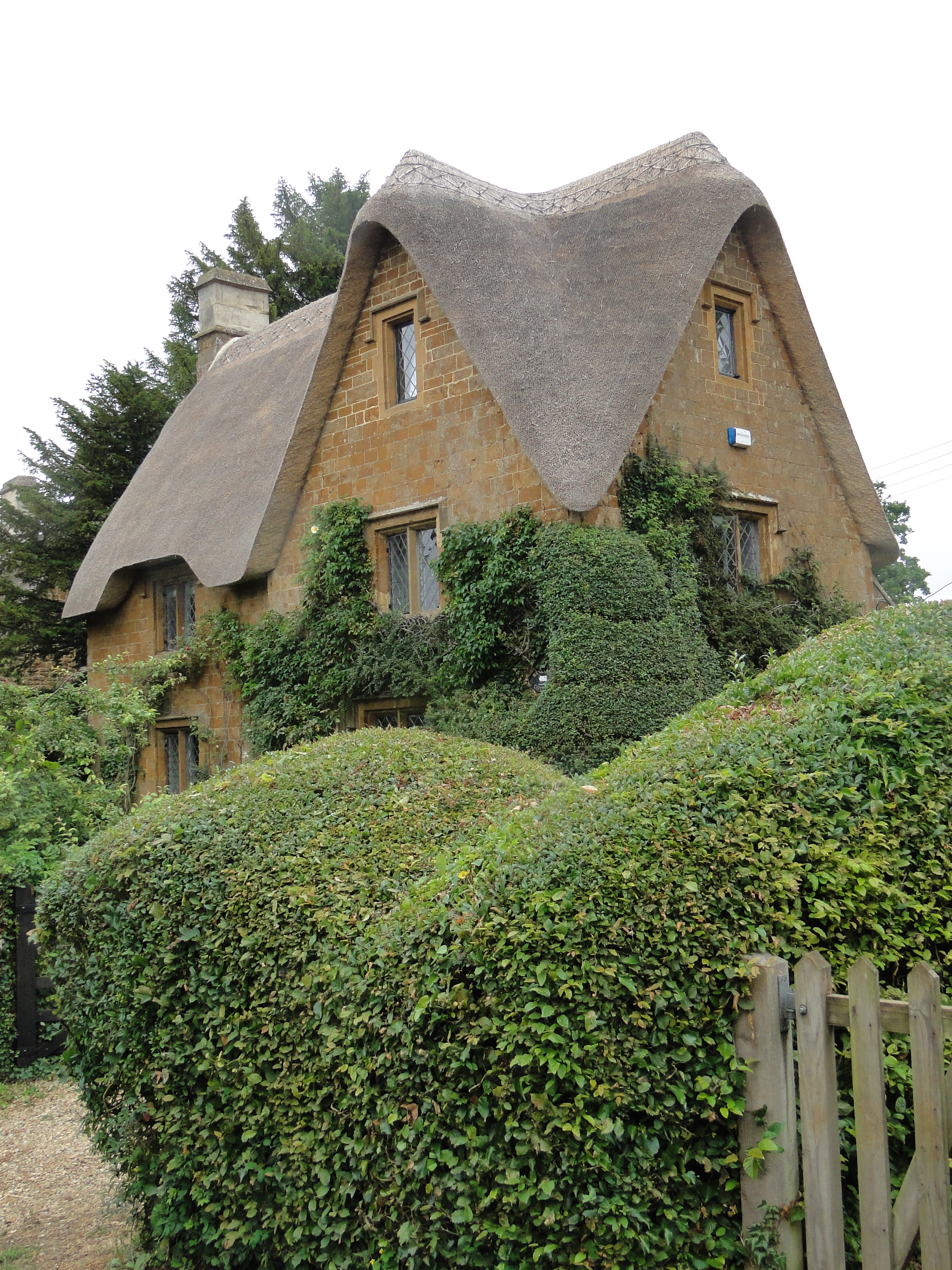
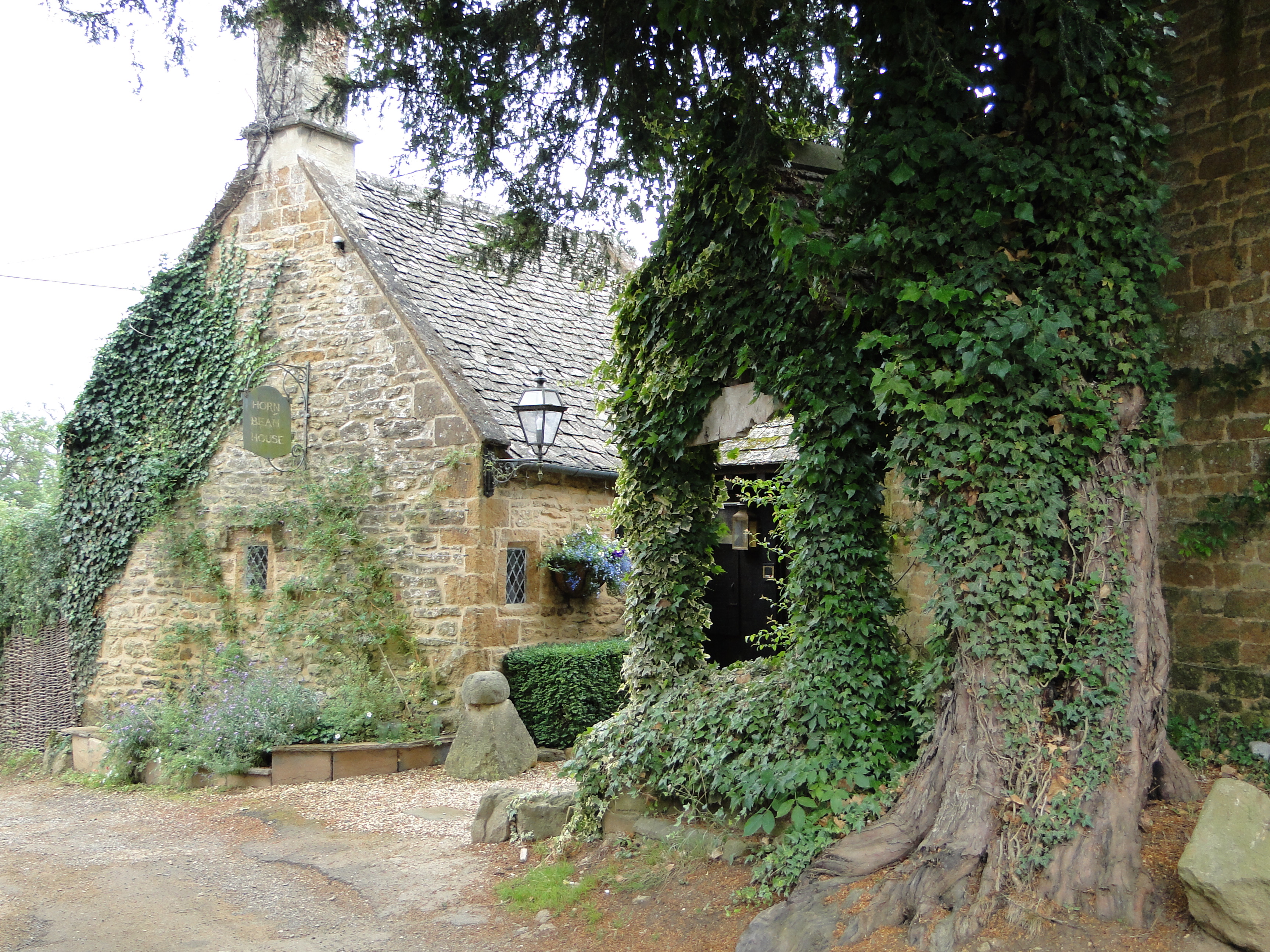
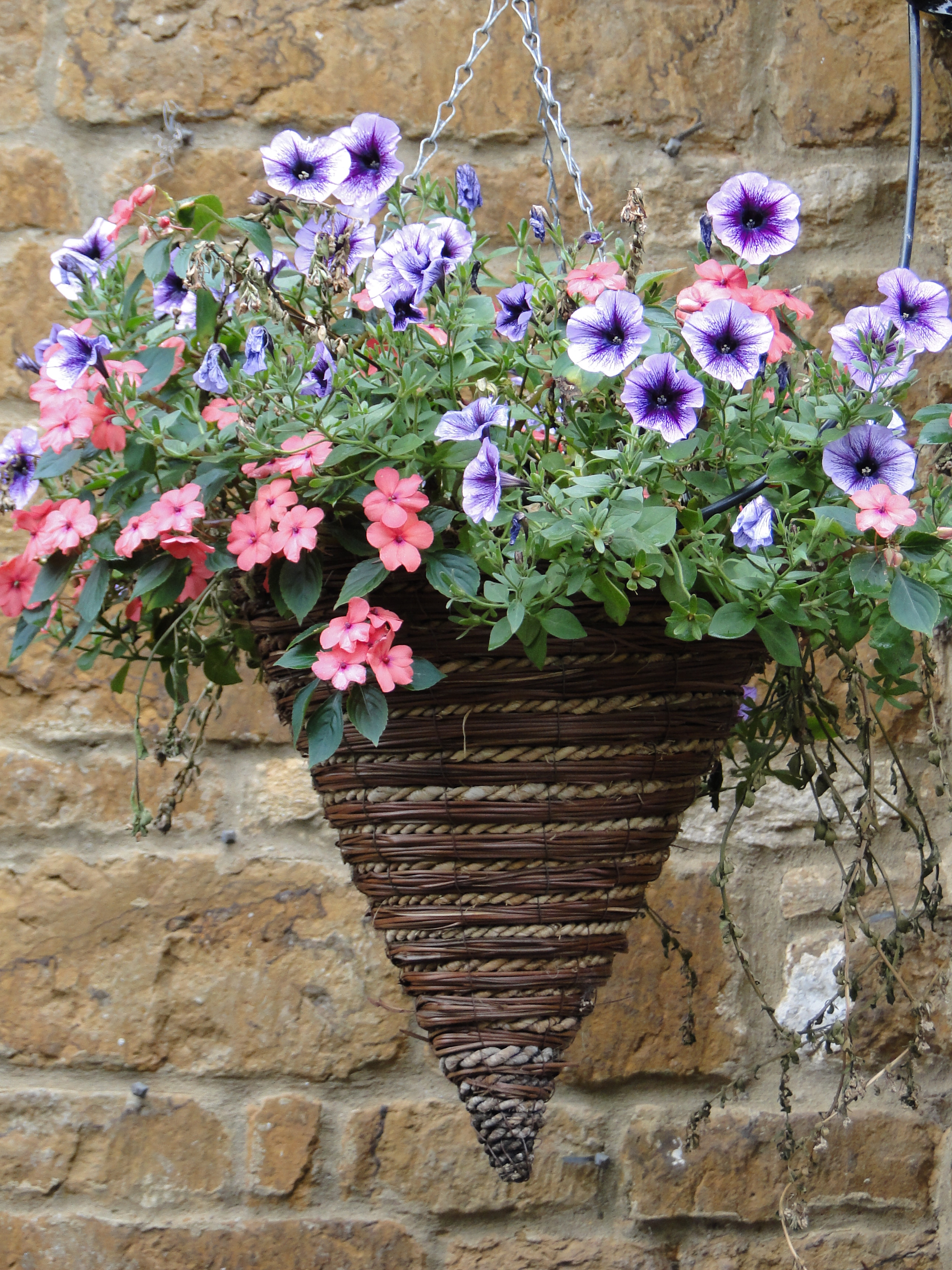
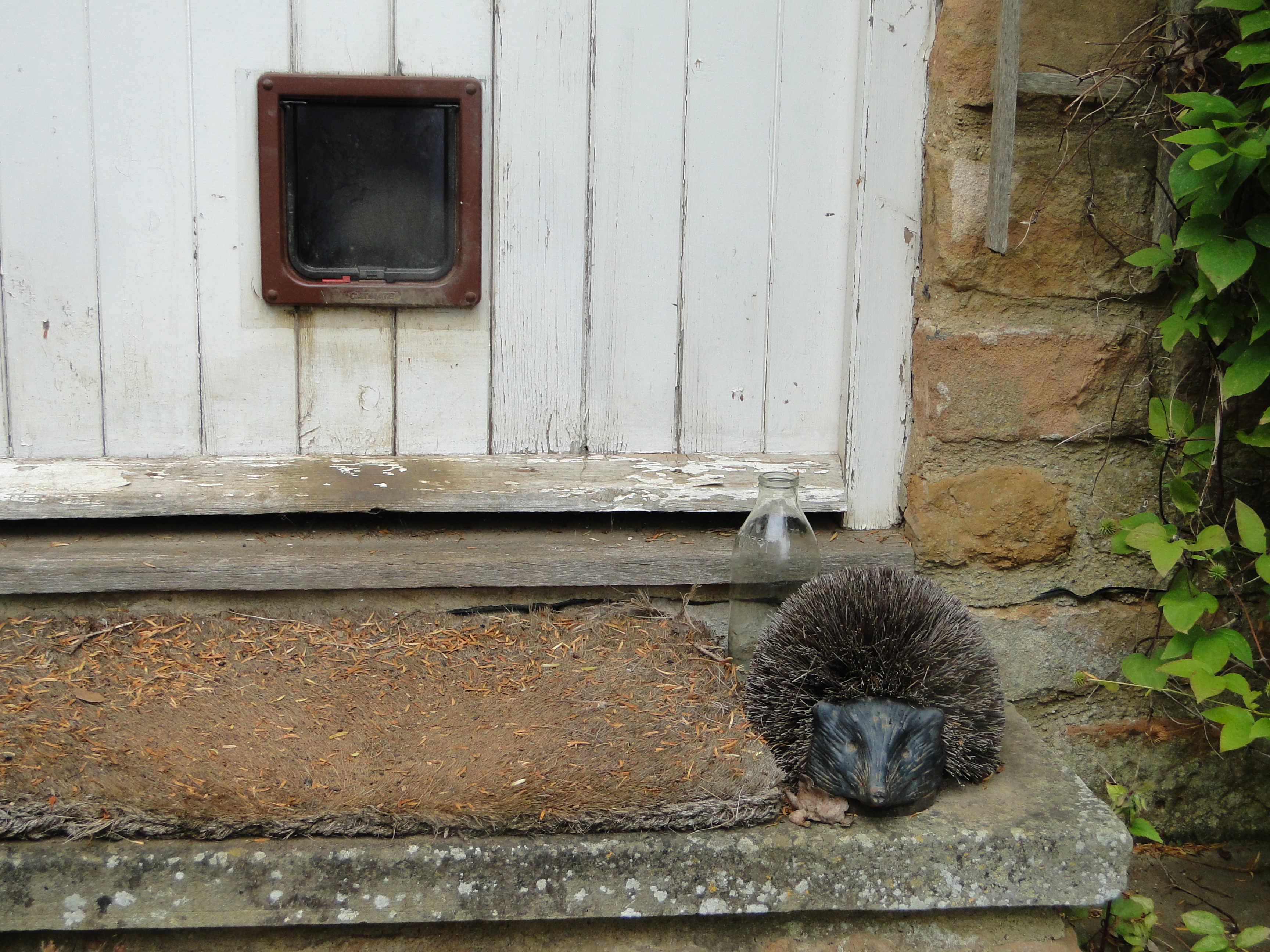
Below are some “postcards” from Great Tew, a Cotswold village that is under an hour’s drive north of the bustling city of Oxford. It’s hard to believe that places like this still exist, but happily they do.

 LORNA SASS AT LARGE